Projects
Different problems, different solutions

UV and automation projects: seven documented examples.

New machines, UV subsystems and upgrades to existing lines. Photographs and data from individual cases show what we have built; every new project requires checks on the product, geometry, speed and acceptance criteria.

CustomRetrofitOEMService
Explore the seven projects Describe your project →
Find the project closest to your needs

What do you want to build or upgrade?

New machine

Treat a challenging product

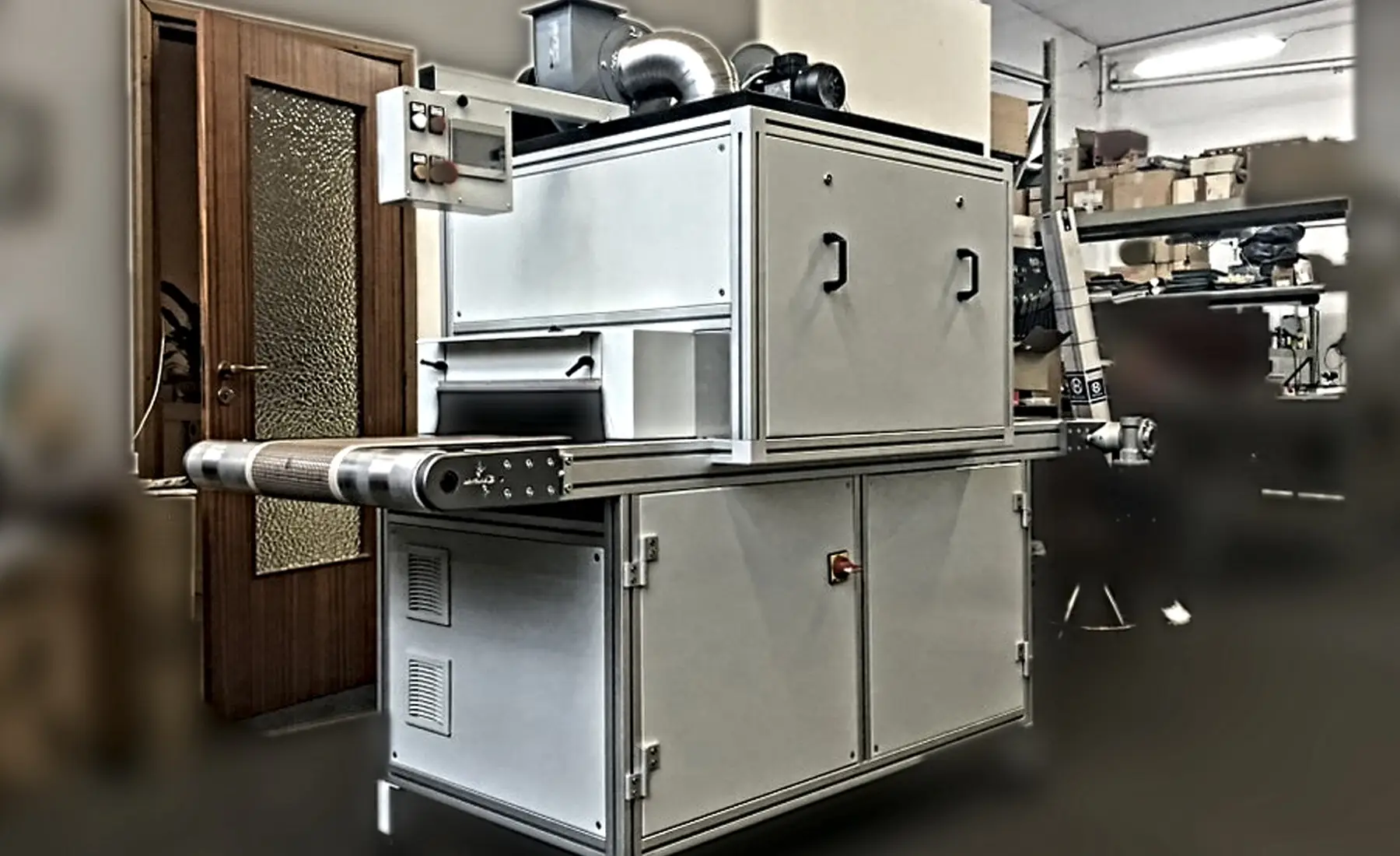
The Rotary UV4 Compact and static UV chamber for soles show how geometry, movement, cooling and control change with the part. The laboratory conveyor project illustrates how product transport and dedicated cooling fit into a compact UV machine. Rotary UV coating laboratory project.

Go to the Rotary UV4 →
Go to the chamber for soles →
Existing line

Retain the structure

Müller Martini and the screen-printing system in Veneto document work on UV, electrical cabinets, controls and extraction without replacing the entire machine.

Go to the Müller Martini upgrade →
Go to the upgrade in Veneto →
Integration

Add UV to the cycle

Screen printing on bottles and the Rotary unit for a coatings laboratory show the relationship between the source, conveying, controls and installation conditions.

Go to plastic bottles →
Go to the coatings laboratory →

A similar case is a starting point: your formulation, machine and process result require their own assessment.

Our approach

The right project solves the actual problem.

Here we bring together applications, retrofits, special systems and integration projects that show our approach, without turning the portfolio into a catalogue of standard machines.

The right project solves the real problem.
Expertise

A solution built around the process.

Process

UV/IR applications

Systems developed around different materials and production cycles.

Machine upgrades

New life for existing equipment

Energy, electronics and automation upgrades.

Integration

OEMs and special lines

Subsystems developed with machine manufacturers.

The Electro Tecnology method

Understand first. Then design.

Problem

What needs to improve.

Constraints

What we cannot ignore.

Solution

What we actually build.

Verification

Acceptance criteria to agree for the process.

Selected completed projects

Seven actual projects, seven different needs.

Custom systems and work on existing machines: every project starts with process constraints and customer requirements.

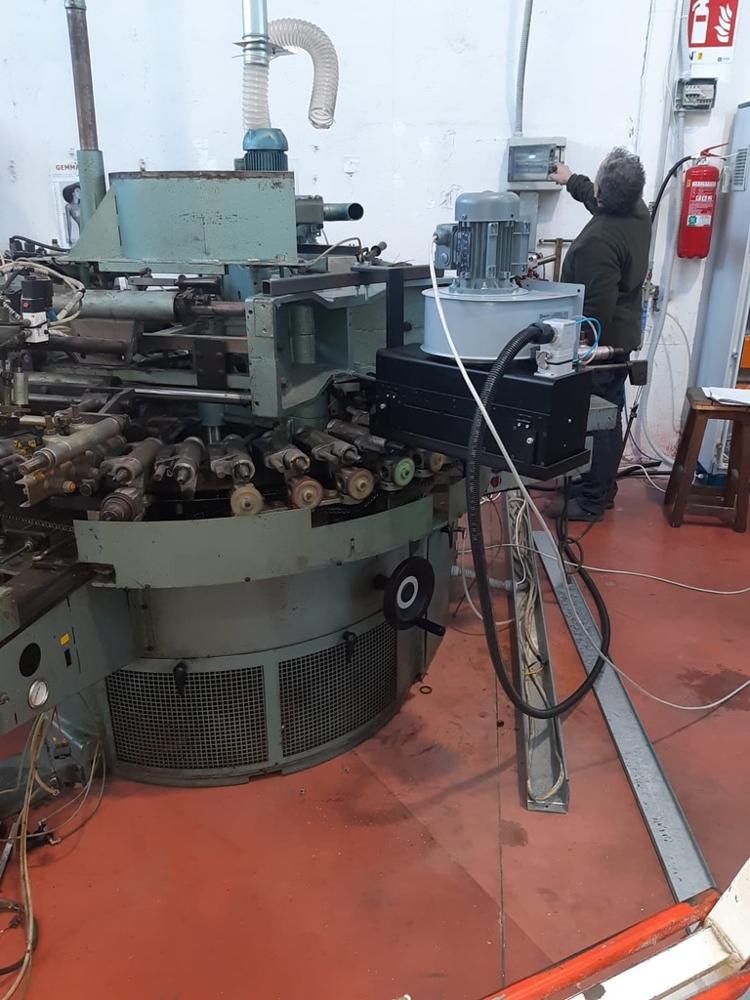
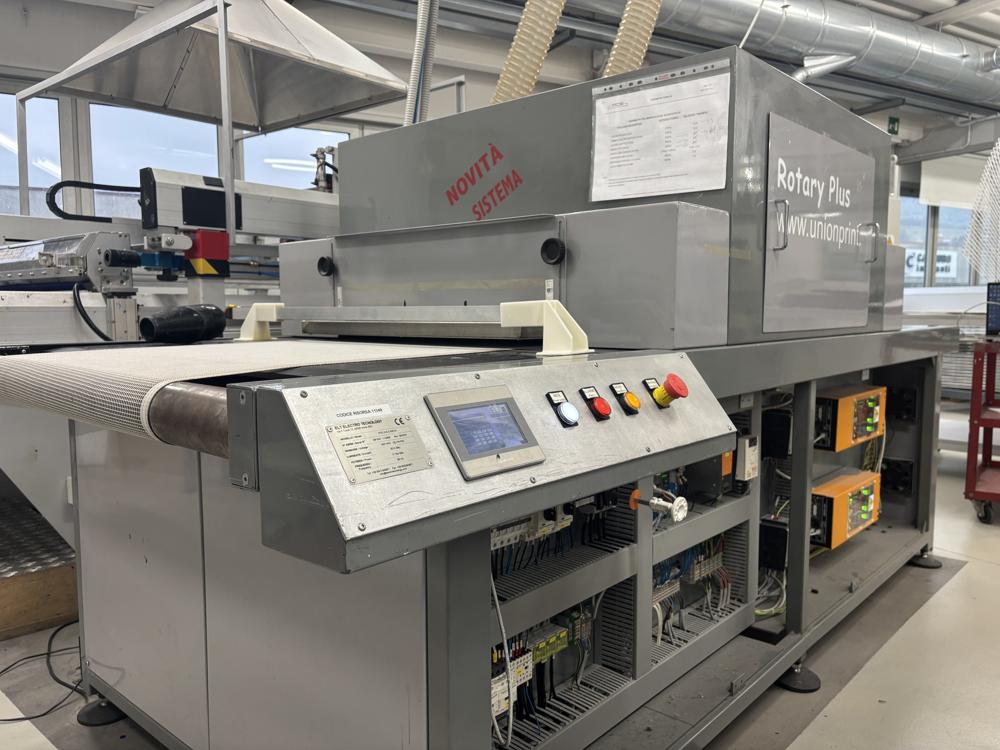
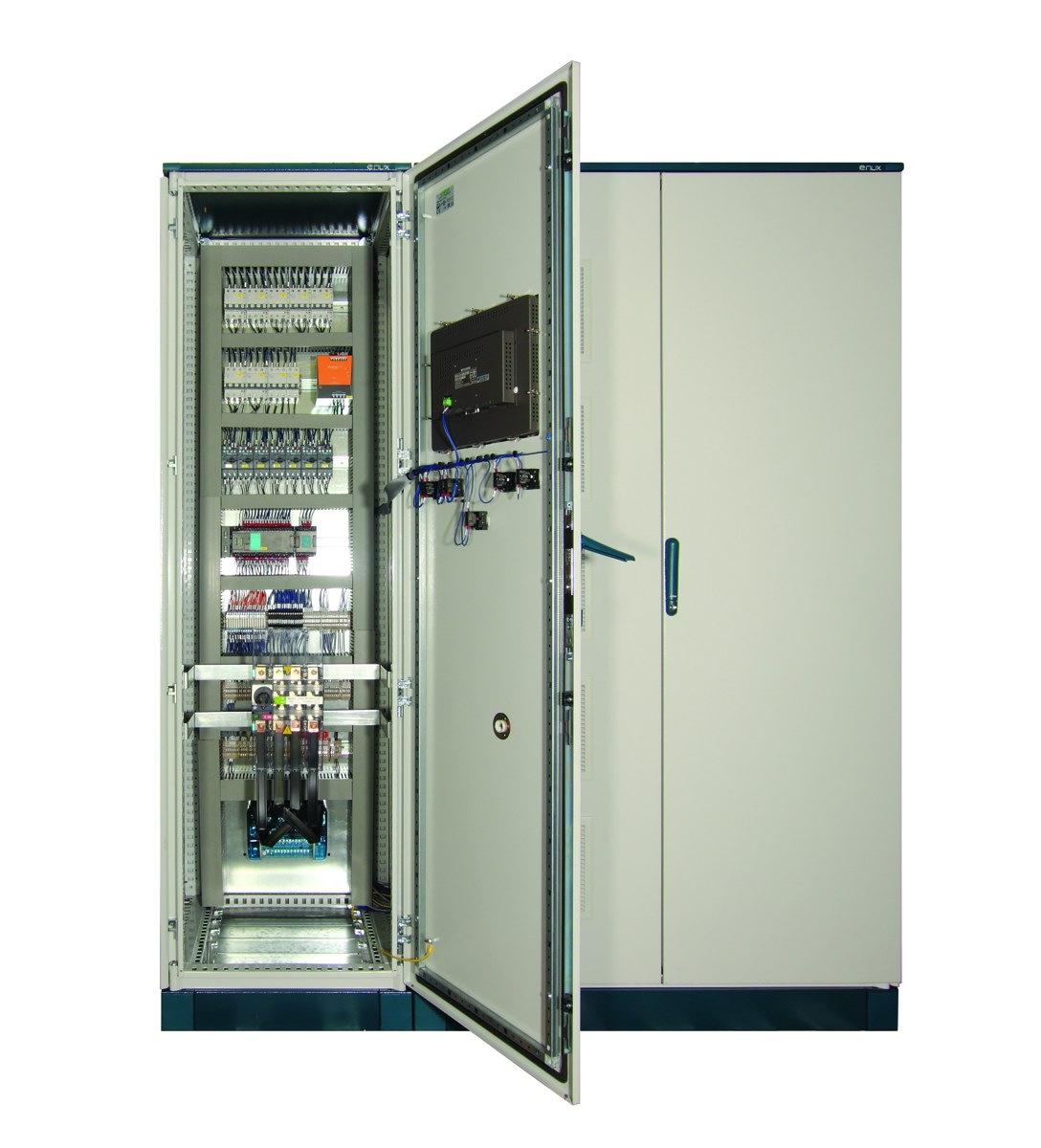
Electrical cabinet from the Müller Martini upgrade
01 · Machine upgrade

Müller Martini: 7 UV lamps

Requirement
Upgrade the UV system on the existing machine.
Electro's work
First, refurbishment and new shutters; then seven lamp housings built from scratch and power control linked to the machine.
Case data
Seven UV lamps.
Result or verification
Up to 250 m/min in the application handled; this value applies to that project and those conditions.
Project details

Initial situation and assessment

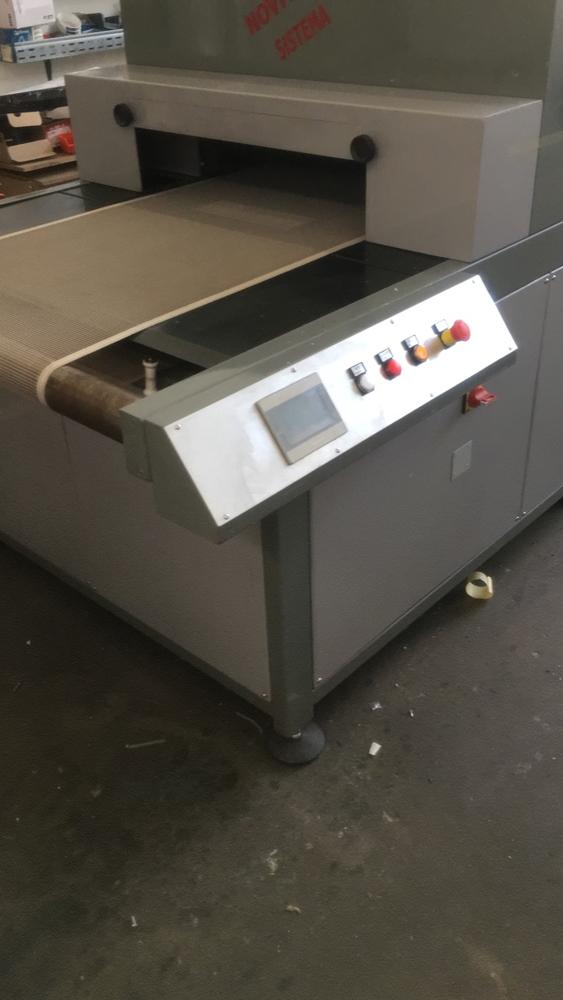
The machine had seven lamp housings, each containing two lamps. The pneumatic shutters did not work, and the transformer cabinet did not communicate with the machine. We assessed the lamp housings, reflectors, power supplies and extraction; the system had been dismantled, so the printing process could not initially be checked.

Two stages of work

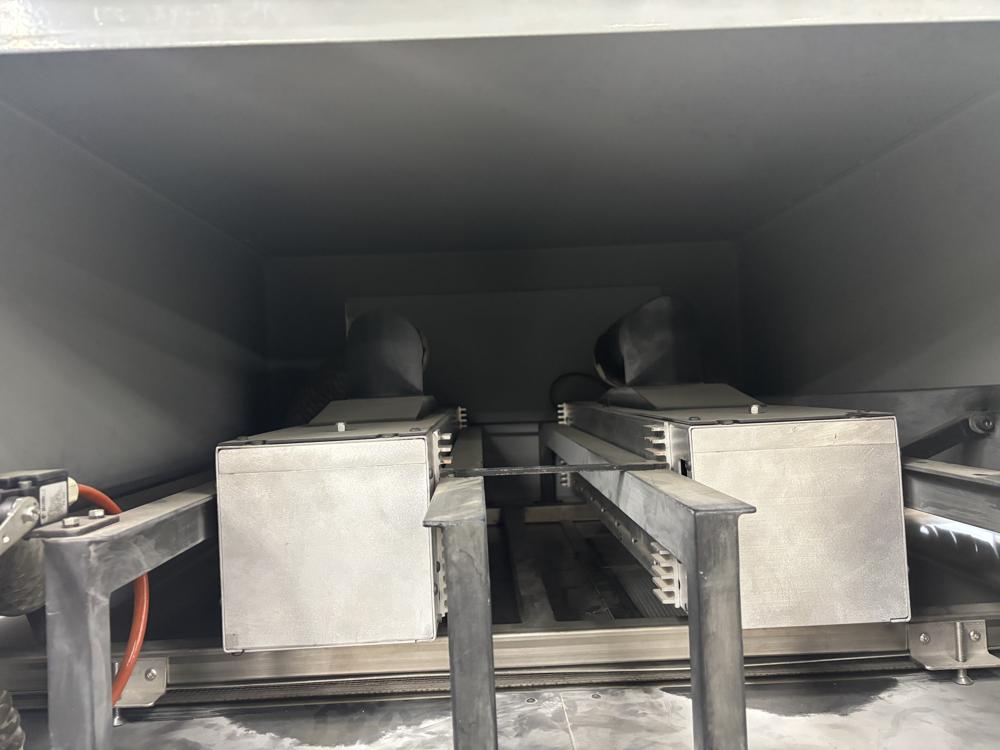
First, we refurbished the seven existing housings, redesigned and replaced the pneumatic shutters, and built a new cabinet communicating with the machine. We subsequently designed and built seven new lamp housings from scratch, each with a single lamp rated at approximately 160 W/cm, redesigning extraction and cooling. Power is adjusted according to printing speed.

Tests and production outcome

Electro Tecnology performed the functional tests, commissioning and acceptance testing. The customer's technicians carried out visual inspections, pull tests using their own equipment, and colour overlap analysis through the machine's vision system.

With certain paper and ink combinations, the machine was commonly operated at up to 250 m/min, its maximum speed. The previous limit of 160 m/min was reported by the operators, rather than measured by Electro before the work.

Responsibility: design, programming and acceptance testing were overseen by the Electro Tecnology owner; mechanical and electrical installation were carried out by two collaborators. The customer remains anonymous. The results concern the materials and operating conditions of this system.

The stated speed refers to this specific project. Materials, inks and process conditions must be assessed for each application. The end customer's identity remains confidential.
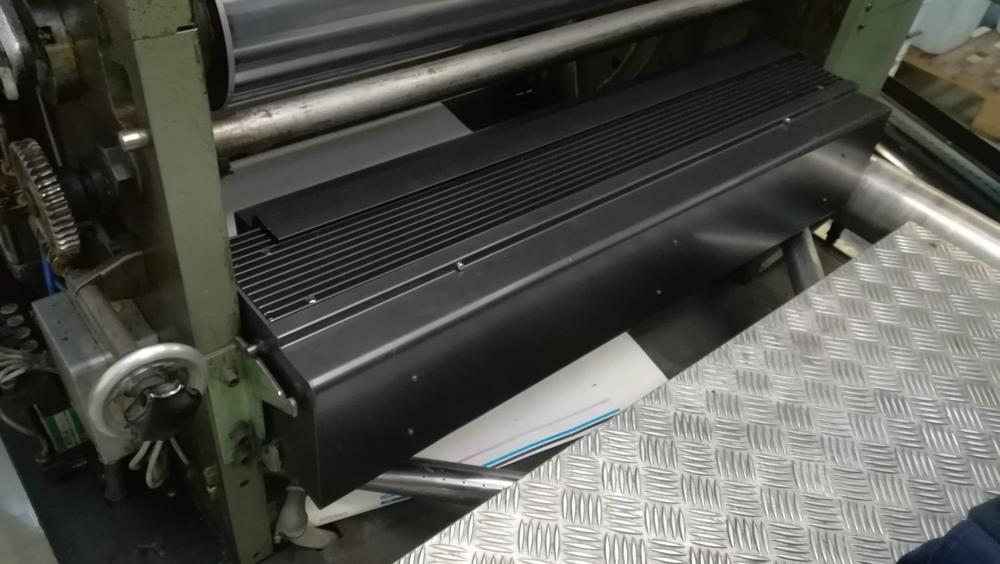
UV lamp housing installed on the Müller Martini machine

Lamp housing installed on the machine.
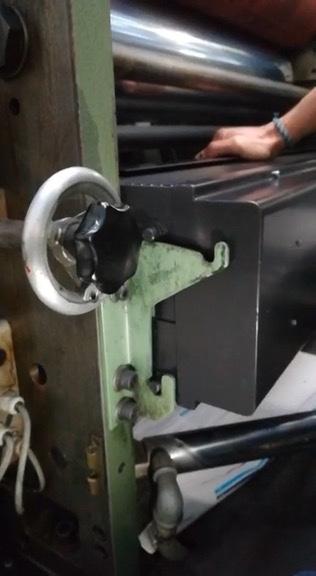
Detail of work on the Müller Martini lamp housings
Detail of the work on the Müller Martini lamp housings.
Read the application case →
UV curing trials on plastic bottles, Electro Tecnology archive
02 · Screen printing on plastic

A custom system for bottles

Requirement
Integrate UV treatment into the bottle screen-printing line.
Electro's work
Dedicated lamp housing, manually adjustable support, electrical cabinet, cooling and extraction.
Case data
Conventional UV; height and depth adjustment.
Result or verification
Three colours in one cycle; three separate passes were previously required.
Project details

Initial situation and requirement

The screen-printing machine processed bottles made from various plastics for agricultural and industrial use. It was designed for three colours, but the partially installed UV system had never worked correctly: one colour was printed at a time, with the cycle repeated three times.

Assessment and work performed

We examined the bottles, inks, available space and mounting points. We designed the lamp housing for the process, a support that can be adjusted manually to suit the bottles, the control and power supply cabinet, and the cooling and extraction system.

Tests and outcome

Tests with the owner included rub resistance; the end customer performed their own quality checks. After the work, the machine could process three colours in one cycle instead of the previous three separate passes.

Responsibility: design, programming and acceptance testing were overseen by the Electro Tecnology owner; mechanical and electrical installation were carried out by two collaborators. The customer remains anonymous. The results concern the materials and operating conditions of this system.

Manual adjustment of the support sets the lamp position to suit the bottles being processed.

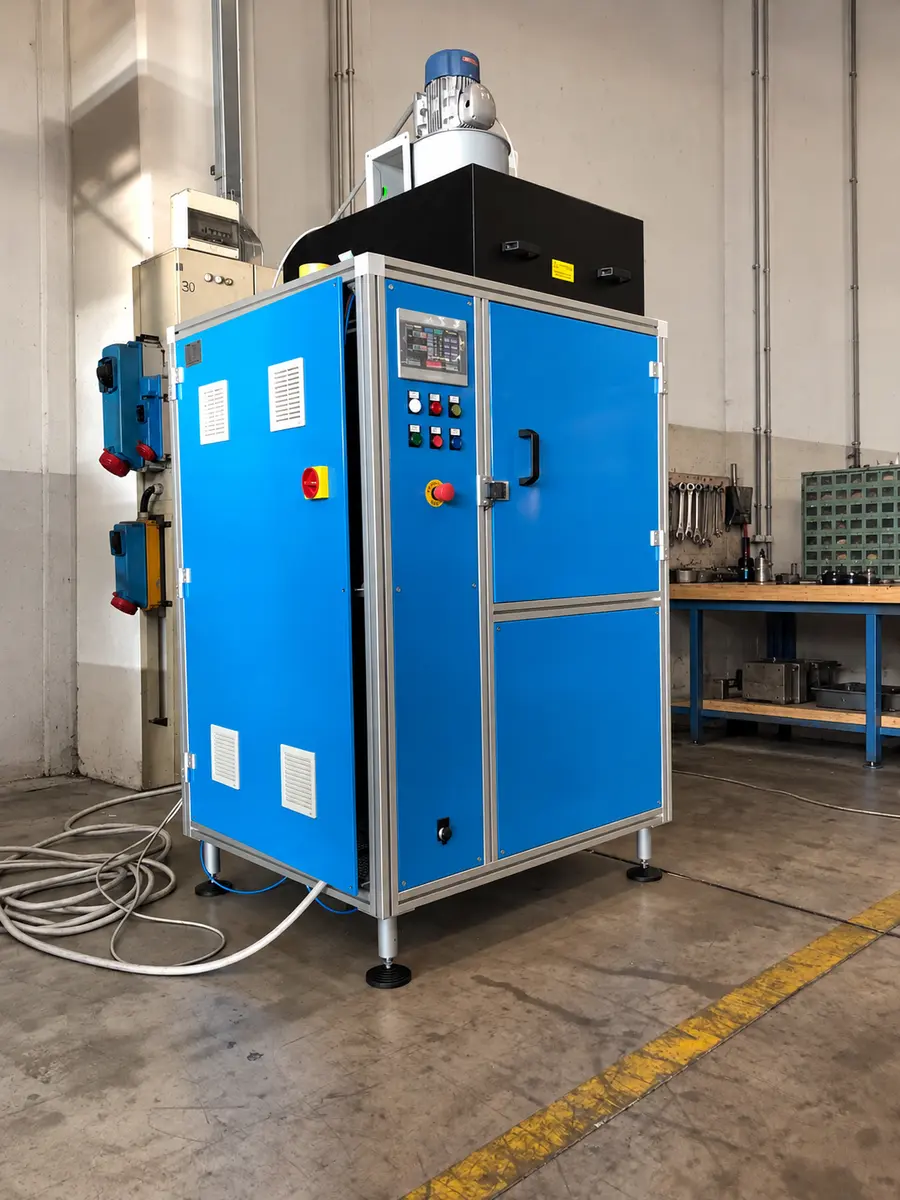
Static UV oven with a rotating support for boot soles
03 · Boot soles

Static UV chamber: 360° treatment

Requirement
Expose the different areas of the sole to UV sources.
Electro's work
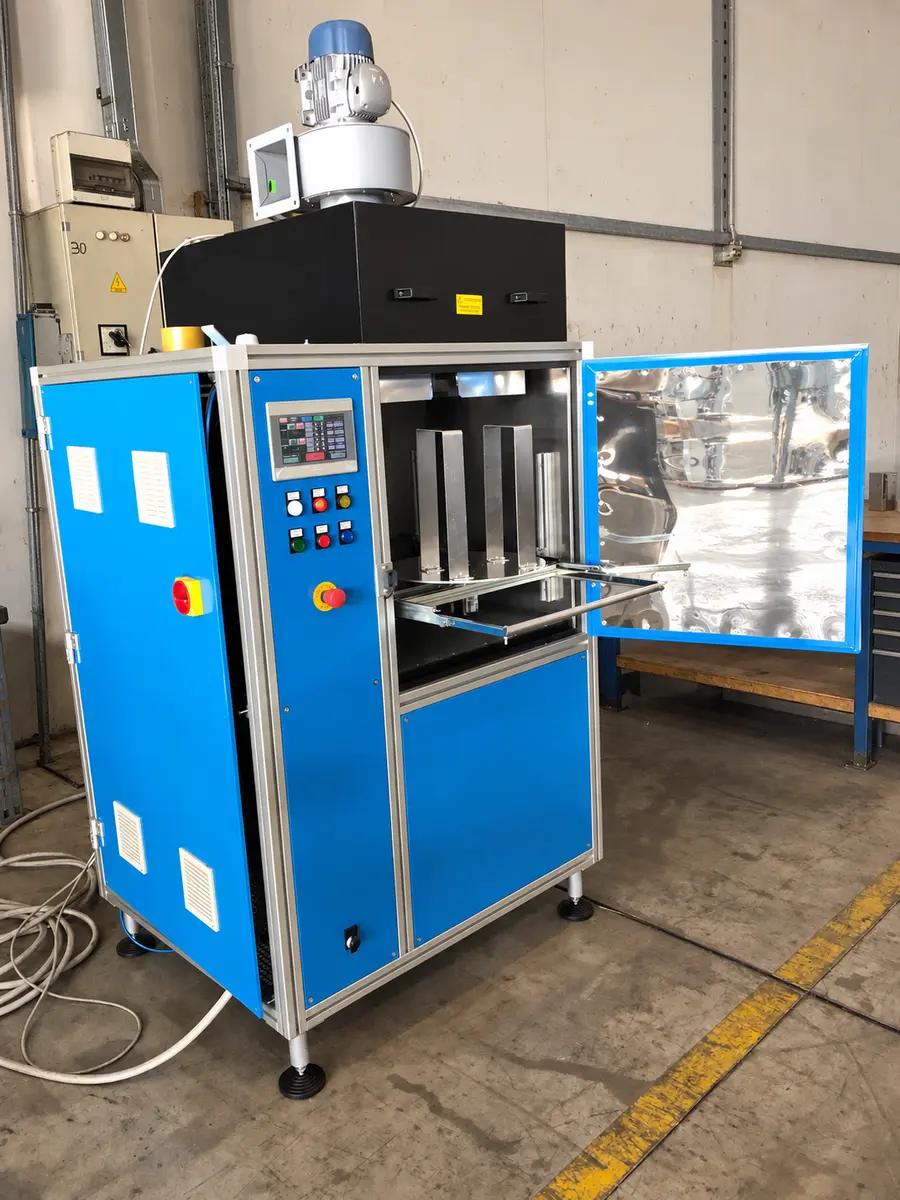
Static UV chamber with a rotating support and coordinated control of lamps and movement.
Case data
360° support rotation.
Result or verification
Results must be verified for the material, geometry and treatment used.
Project details

Raised features, curves and sides of the sole require exposure designed around the part's geometry. The control system coordinates UV emission and rotation within the same cycle.

Verification of the result relates to the material and treatment used.

Static UV oven with open chamber and rotating support
The same 3D rotation project, with the chamber open. Photograph with retouched background.
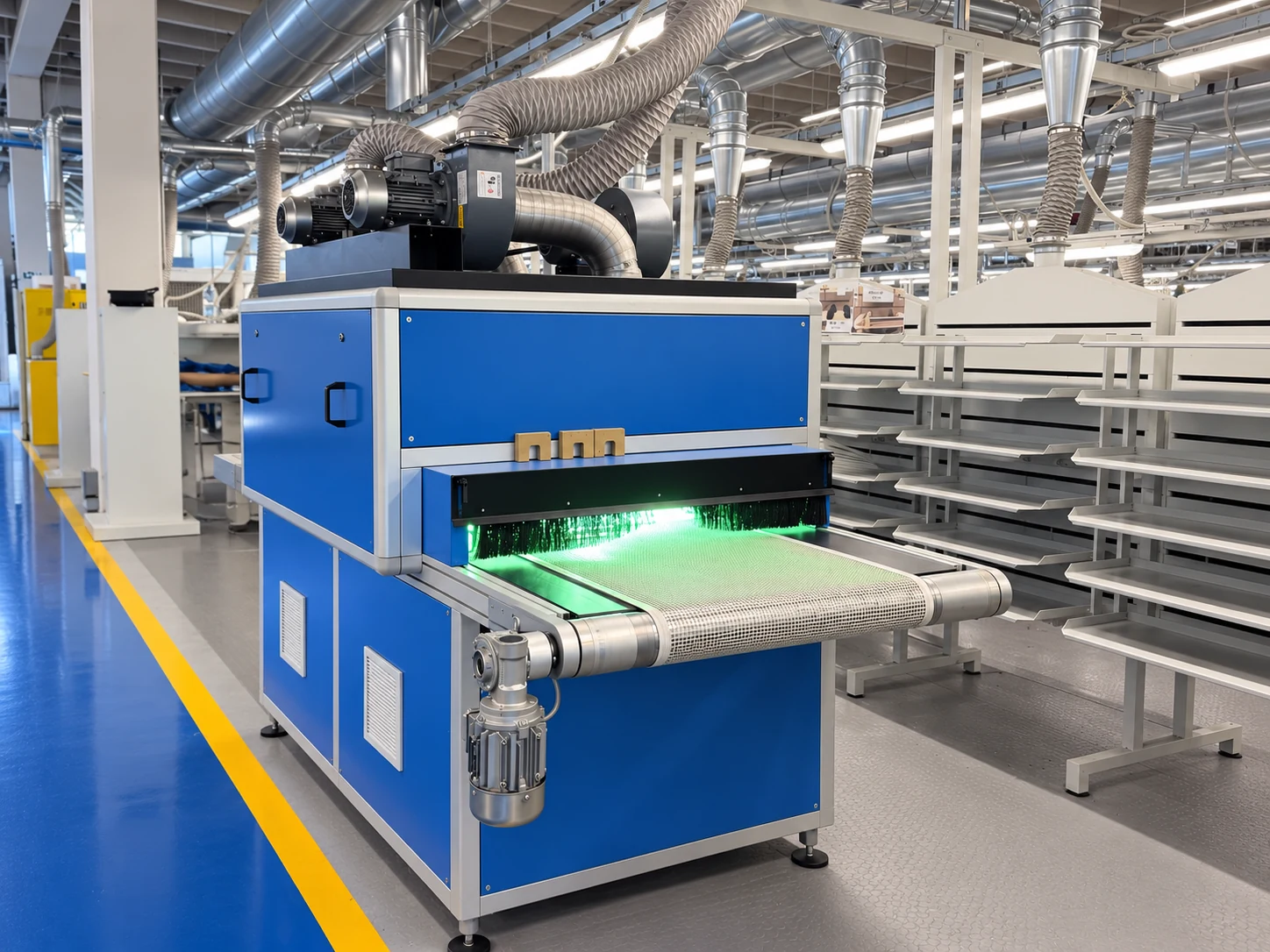
Rotary UV4 Compact for the footwear sector, three-quarter view
04 · Footwear industry

Rotary UV4 Compact

Requirement
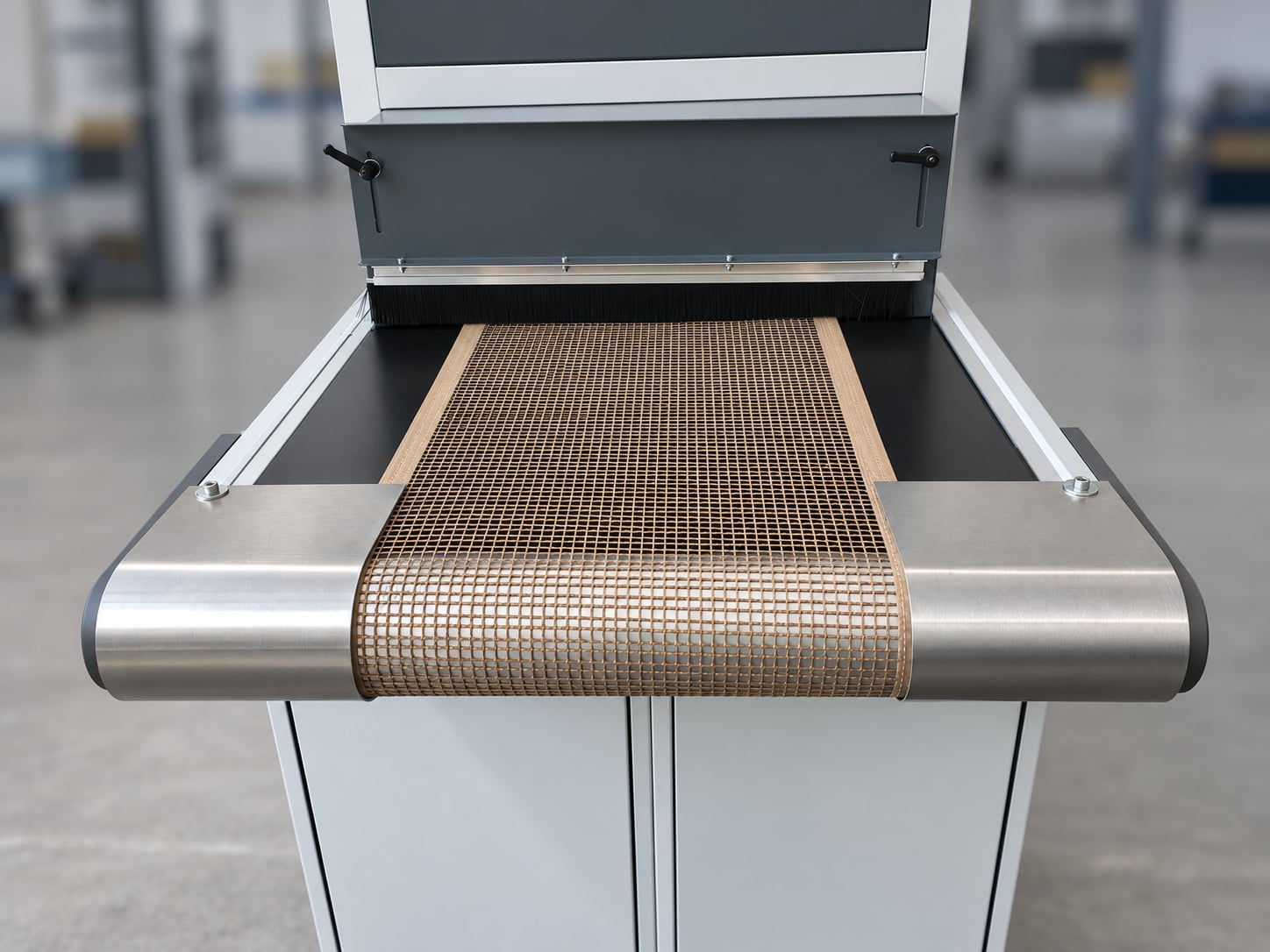
Integrate sole treatment and conveying into a compact machine.
Electro's work
Four adjustable lamps, air management and a vacuum conveyor bed.
Case data
Four mercury lamps; full specifications in the details.
Result or verification
4.5–7 m/min and a part temperature no higher than 40 °C for the documented Rotary Compact machines, without extending these values to other products.
Project details

Four mercury lamps: two transverse to the belt (450 mm arc, 160 W/cm) and two parallel (330 mm arc, 200 W/cm). The assemblies can be adjusted in height, depth and tilt. Air supply and extraction and the vacuum conveyor bed are also designed to cool the part and hold the sole against the belt.

For the documented Rotary Compact machines, treatment runs at 4.5–7 m/min with a part temperature no higher than 40 °C. These figures apply to those machines and that treatment; they are not a promise for other products.

Footwear applications →
Screen printing system upgraded for a customer in Veneto
05 · Screen-printing upgrade

New technology, original structure.

Requirement
Upgrade the system while retaining the mechanical structure.
Electro's work
Replacement of power, control and extraction systems; refurbishment of lamp housings.
Case data
Coordinated work on the existing machine.
Result or verification
All formats could be processed; detailed findings cover curing, power draw and waste.
Project details

Problem and assessment

The UV system processed plastic films for touchscreens. It had problems with the lamp housings, transformer power supplies, controls and air handling, causing stoppages and rapid lamp deterioration. The customer wanted quality, increased production and stability. We assessed the entire machine, retaining its robust frame and structure.

Work performed

We redesigned and replaced the electrical system, cooling and extraction. A new vacuum conveyor bed keeps even small formats against the belt; previously, they lifted inside the lamp compartment. The lamp housings retain their outer shells, with new reflector profiles, shutters and internal airflows. The transformers were replaced by electronic ballasts with 96% efficiency as stated by the component manufacturer.

Tests and findings

Electro's technical contact and the production manager carried out visual inspections, pull tests and rub tests. After the work, the customer could process all their formats, with improved curing and stability.

Before-and-after electrical measurements on the UV system alone, with the machine separated from the rest of the line, indicated approximately 35% lower power draw, according to the recollection of the technician who handled the work; the absolute readings are not currently available.

The customer reported approximately 30% initial waste and, after about one year, 7–8% total waste, which was not due to insufficient curing. These are customer figures: the overall change is not automatically attributed solely to the UV system.

Responsibility: design, programming and acceptance testing were overseen by the Electro Tecnology owner; mechanical and electrical installation were carried out by two collaborators. The customer remains anonymous. The results concern the materials and operating conditions of this system.

Learn more about the upgrade →
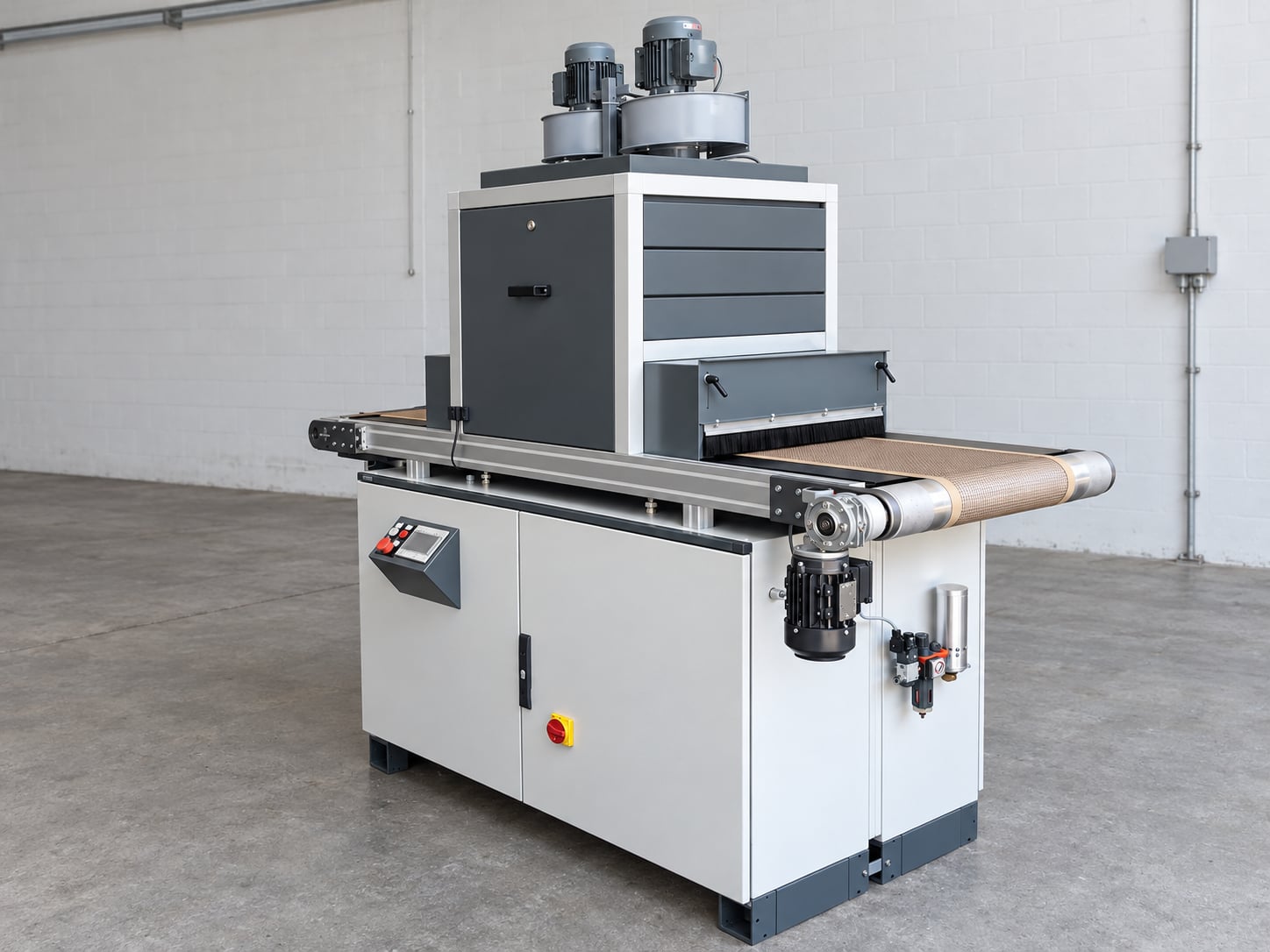
Rotary UV built for a coatings manufacturer's laboratory
06 · Coatings laboratory

Rotary UV: treatment and control in the laboratory.

Requirement
Integrate UV treatment and control into a coatings manufacturer's laboratory.
Electro's work
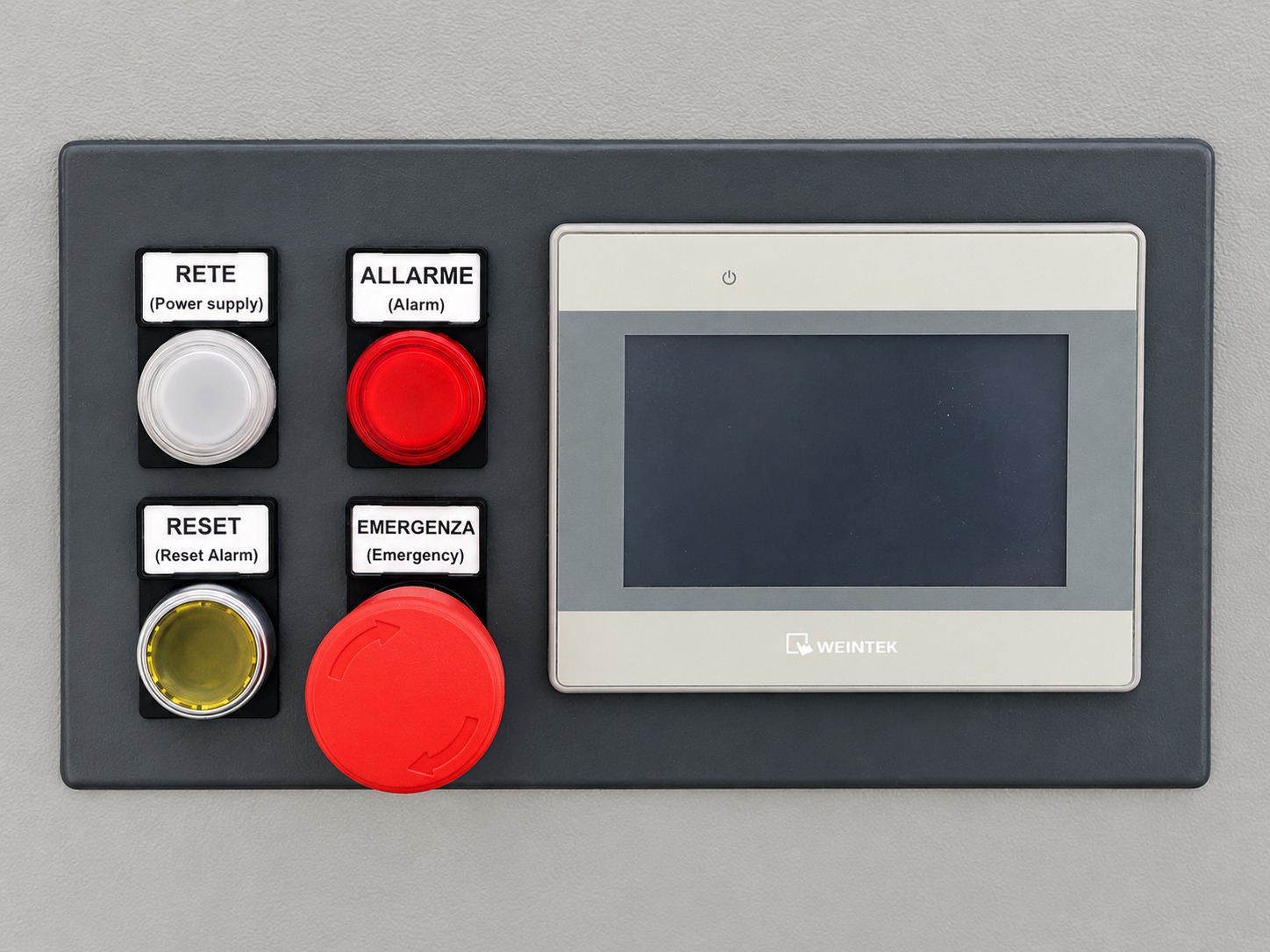
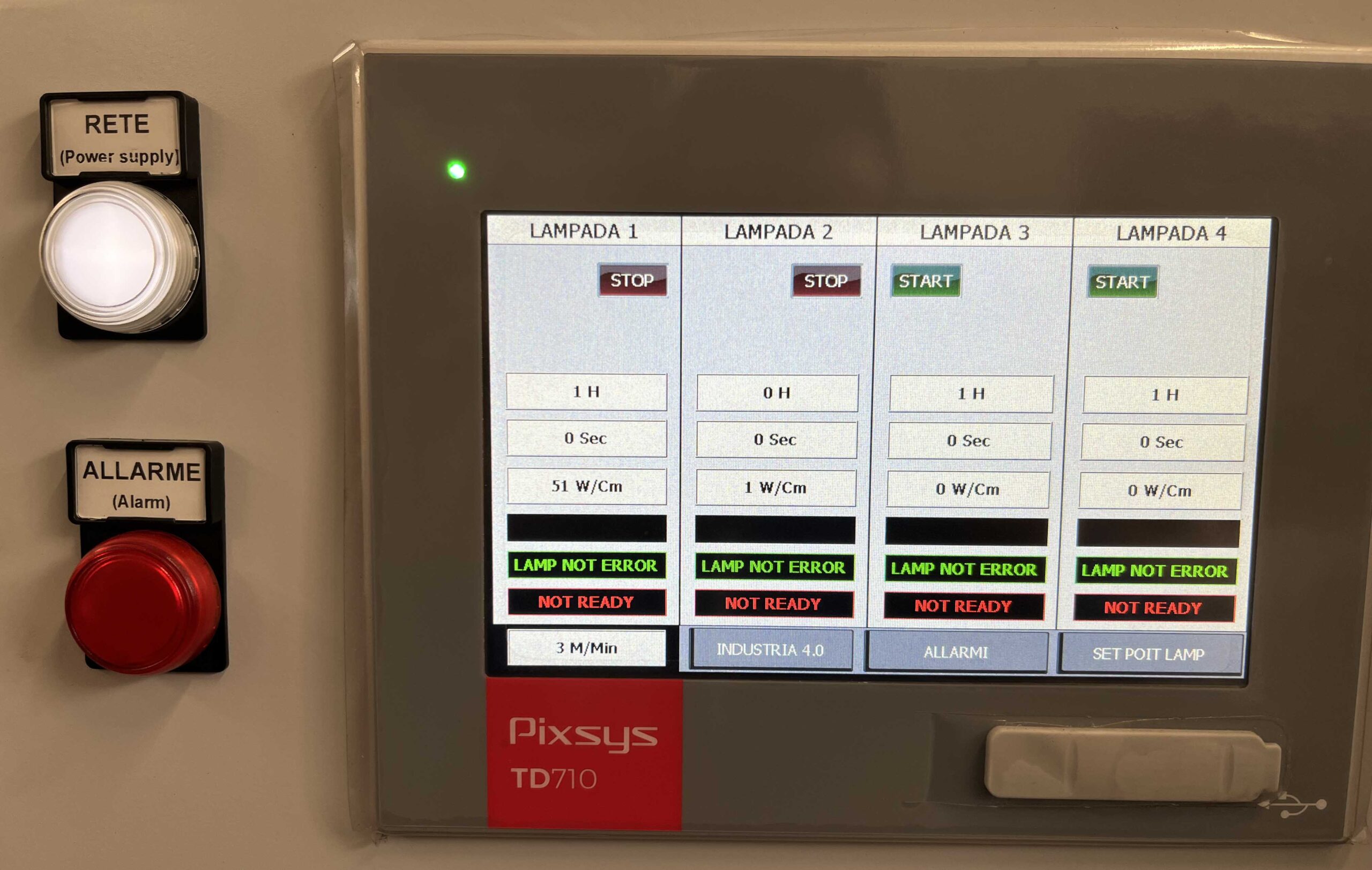
Rotary unit with conveyor, operator panel and separate cooling systems for cabinets and lamp housings.
Case data
Two 380 mm lamps at 140 W/cm; cabinets and cooling described in the details.
Result or verification
Designed for cleanroom operation; process conditions and the requirements of a new laboratory must be checked.
Project details

Two electrical cabinets, each 1400 × 800 × 500 mm, are arranged back to back: one houses the controls, the other the two lamp power supplies.

A Vortec compressed-air system cools both cabinets. The lamp housings are cooled by forced air extraction through a separate system.

Explore the Rotary UV project →
Custom UV lamp housing for printing on thermal paper
07 · Printing · Spain

Custom UV lamp housing for printing on thermal paper

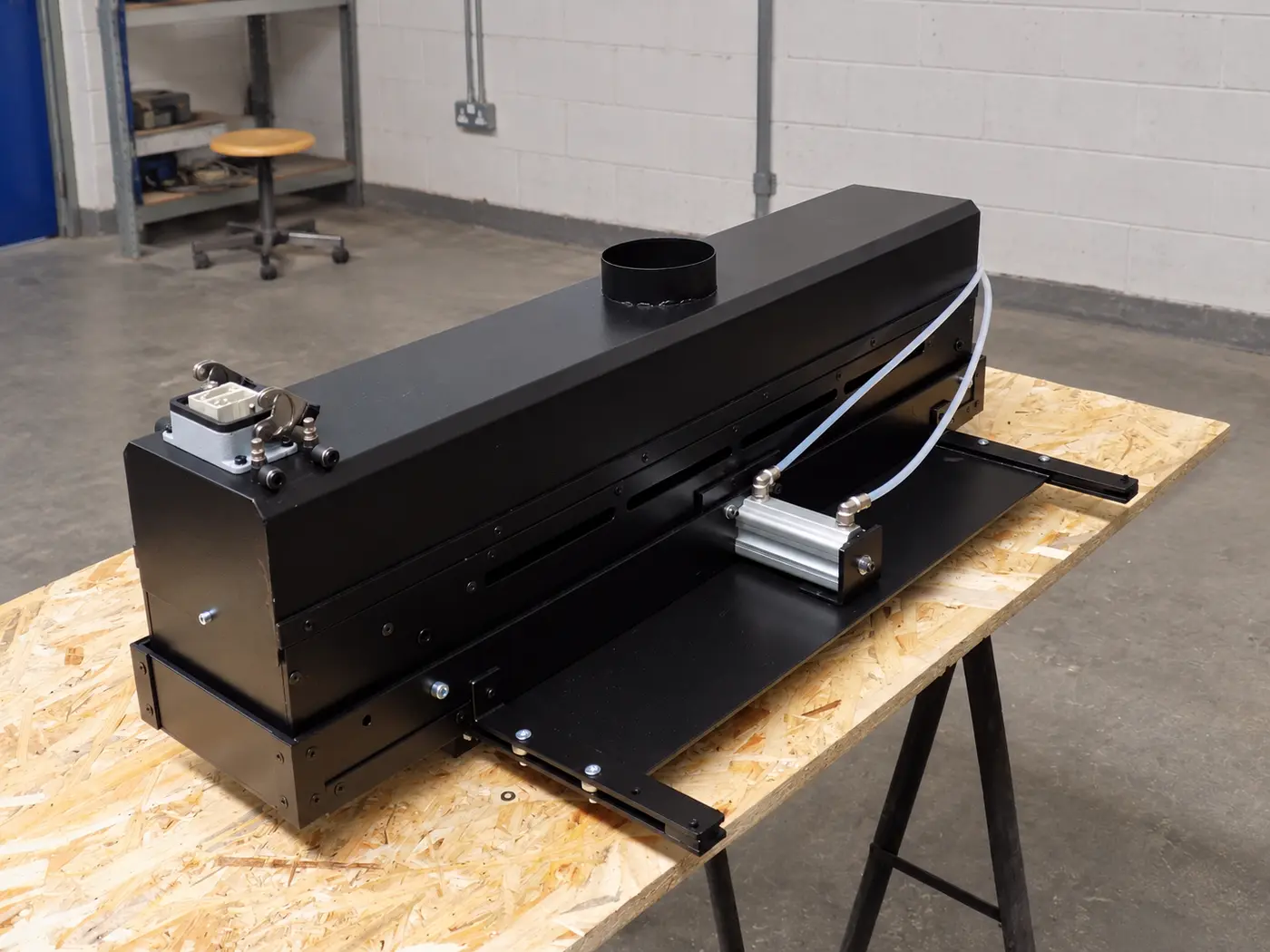
Electro Tecnology built this custom lamp housing for a plant in Spain, for curing printing on thermal paper. It is a project-specific assembly, separate from the standard range.

Operating specifications and process results are assessed for each application.

Photograph with retouched background.

UV systems for printing →
Explore our expertise

From projects to the technologies used.

UV retrofit

Assessment of existing equipment, decisions on what to retain and replace, electrical cabinet, power supply, PLC/HMI and testing.

UV and UV LED systems

Source sizing, dose, irradiance, uniformity, thermal management, optics and line integration.

Automation

Machine sequences, I/O, diagnostics, interlocks, HMI and communication with peripherals and existing systems.

From actual projects

From the workshop to shipment

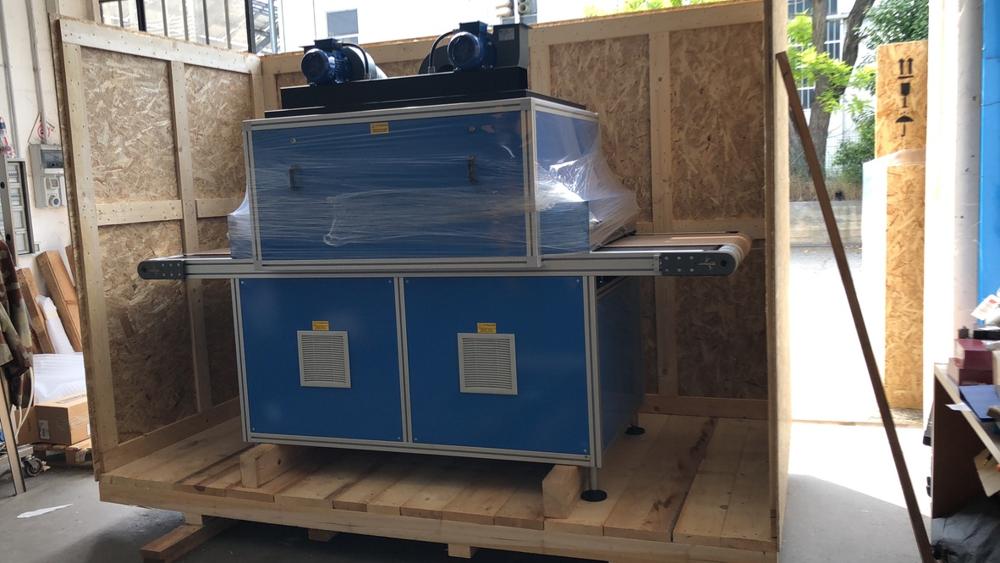
Rotary UV4 Compact protected inside its open shipping crate
Rotary UV4 Compact for the footwear industry, prepared for the American market.
From our portfolio to your project

What information do we need to compare an actual case with yours?

01 · Product

Material and chemistry

Substrate, UV formulation, area to treat, finish and acceptance criterion.

02 · Machine

Geometry and cycle

Photographs or layout, width, speed, permissible temperature, space and existing equipment.

03 · Work required

Scope of supply

New unit, components, machine upgrade, electrical cabinet, control and tests to agree.

This information helps us distinguish what can be transferred from previous experience from what must be measured on your part.

Tell us about the process you want to improve.

We start with your production, materials and the result you want to achieve. The solution comes next.

Contact us