
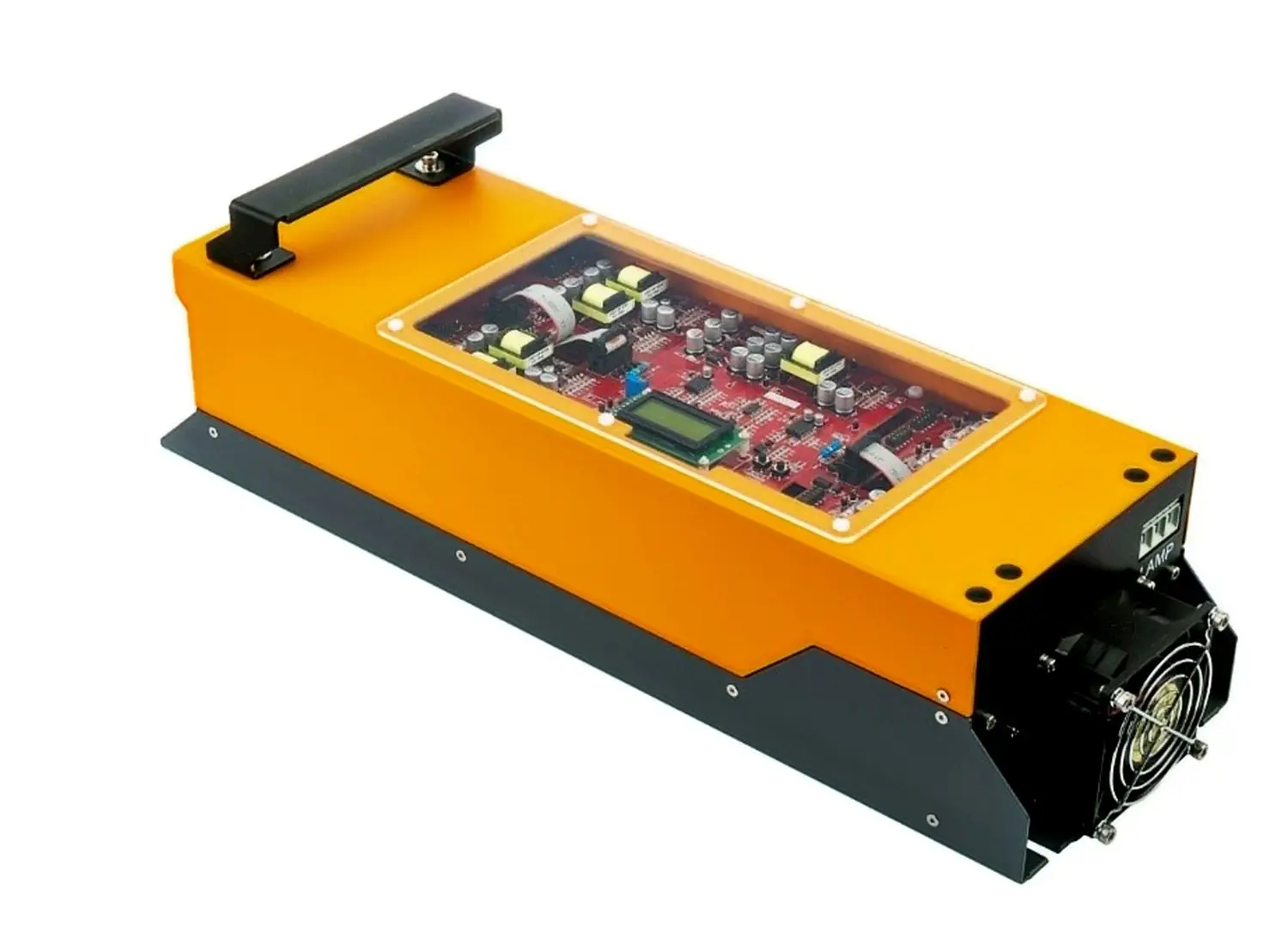
Electronic Power Supplies for UV Systems
The evolution from electromechanical power supplies to electronic systems makes it possible to manage UV power with greater precision, flexibility and attention to energy use.
Tell us about your projectPower supply is part of the process.
Our experience began with the construction of electromechanical transformers. This gives us a clear understanding of the advantages and limitations of traditional architectures and allows us to assess when an electronic system can provide a concrete benefit.
A solution built around the process.
Energy where it is needed
More advanced regulation and the ability to operate more consistently with the actual requirements of the process.
Upgrade the existing system
We assess electrical integration, lamp, cooling, control and the economics of the investment.
More information
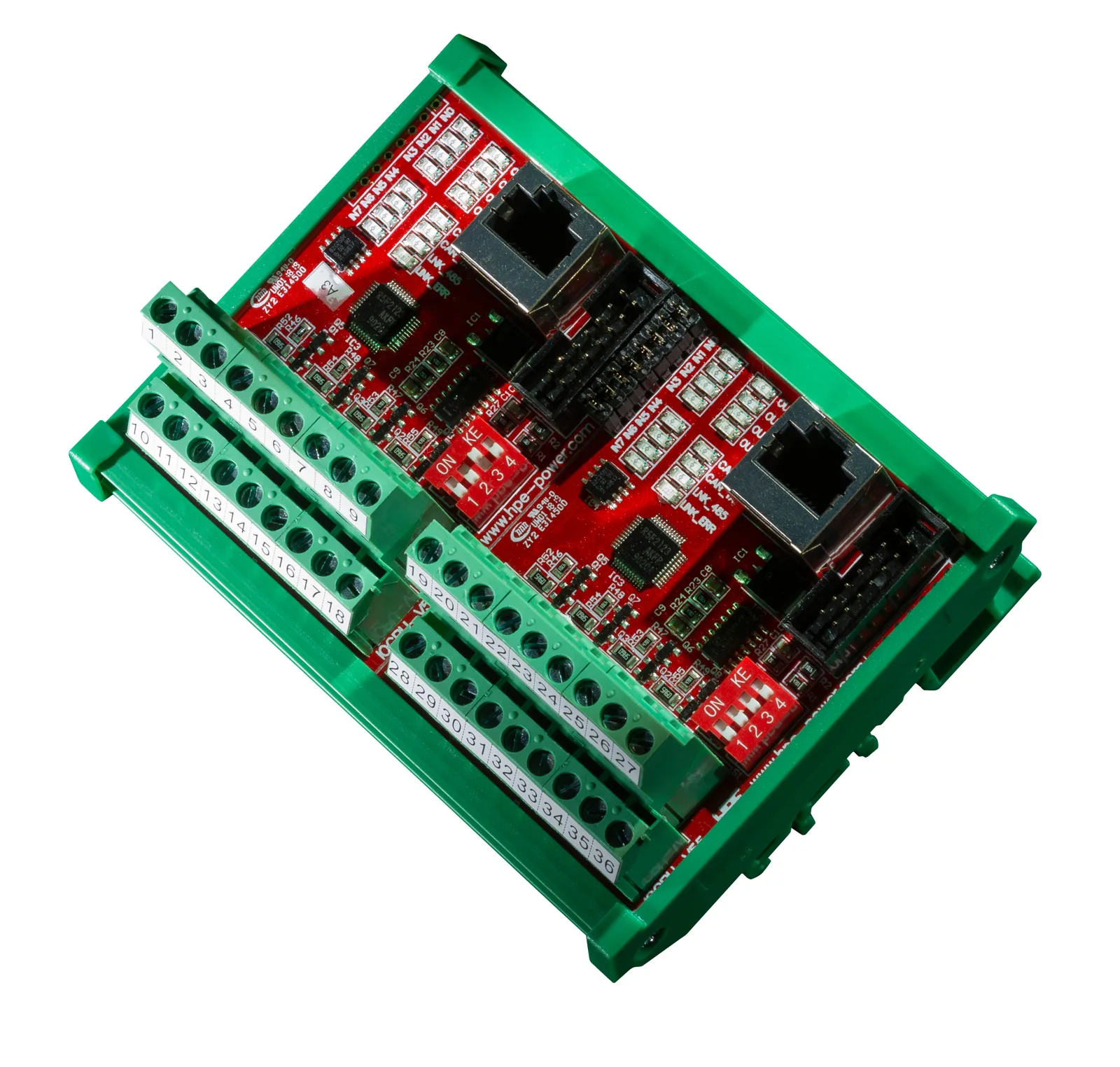
Diagnostics and PLC/HMI integration make the system easier to understand and manage.
Understand first. Then design.
Measure
Power, cycle and actual use.
Evaluate
Technical and energy comparison.
Integrate
Adaptation to the existing system.
Verify
Testing and process parameters.
Power supply and control in a real system
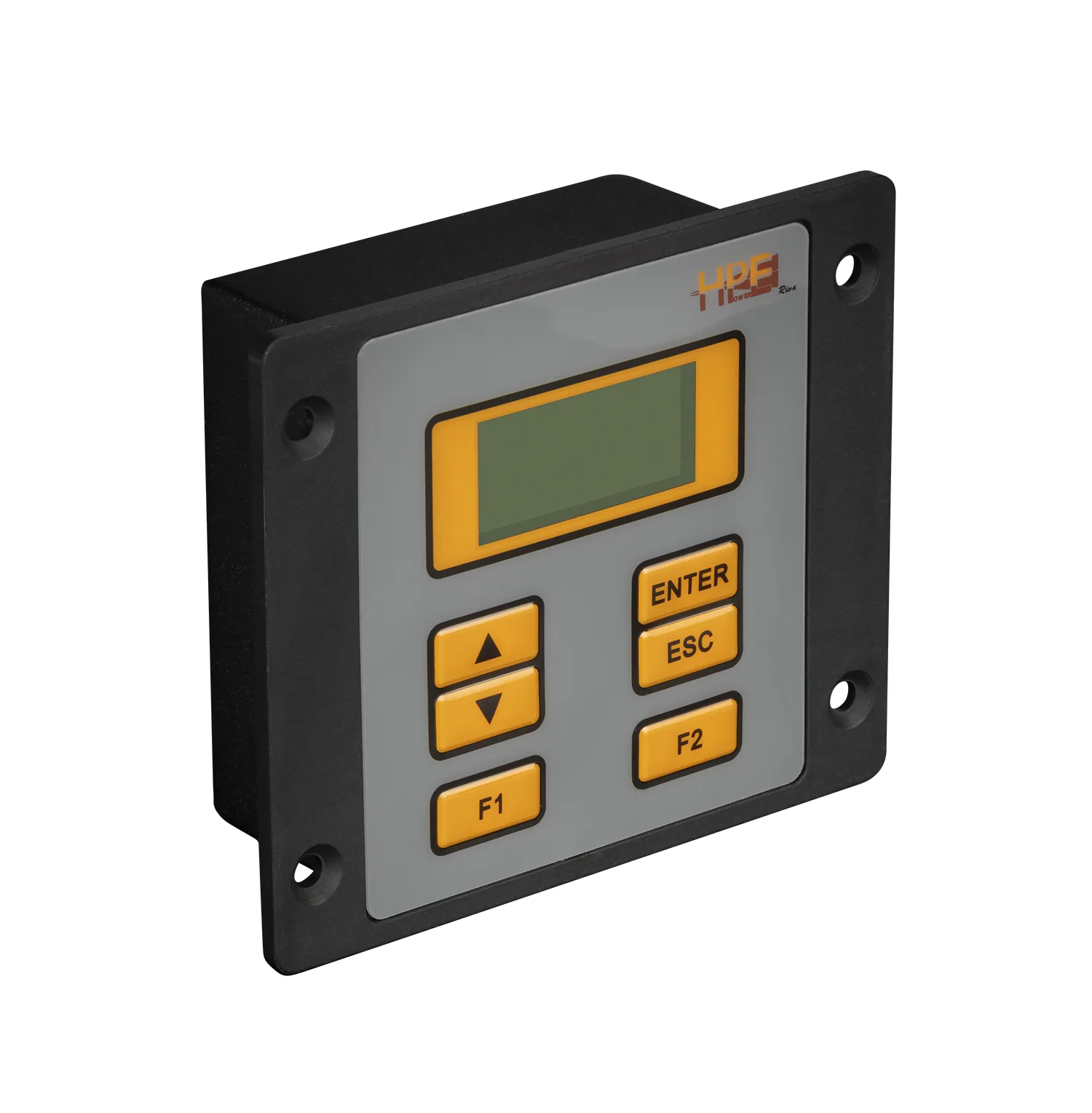
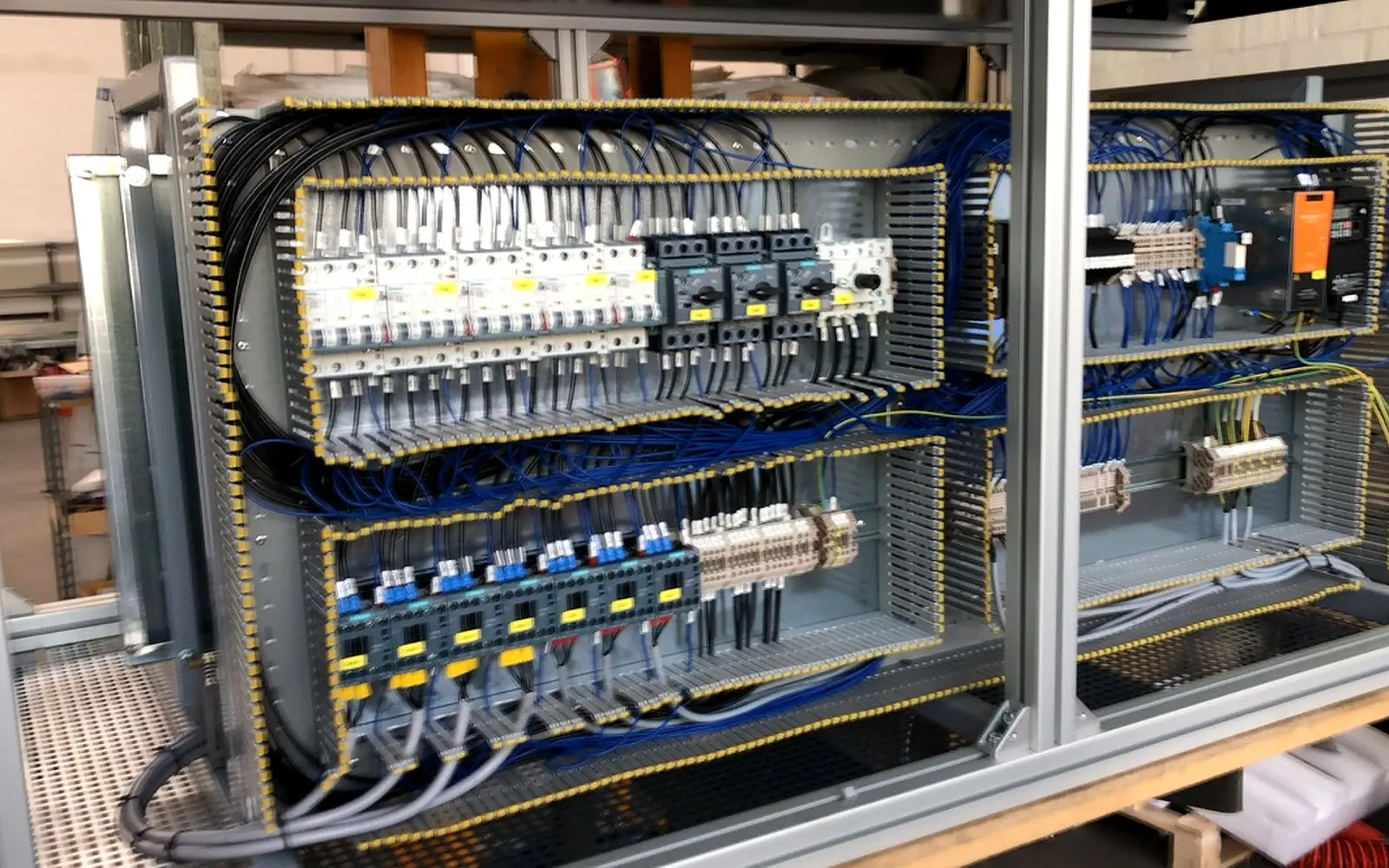
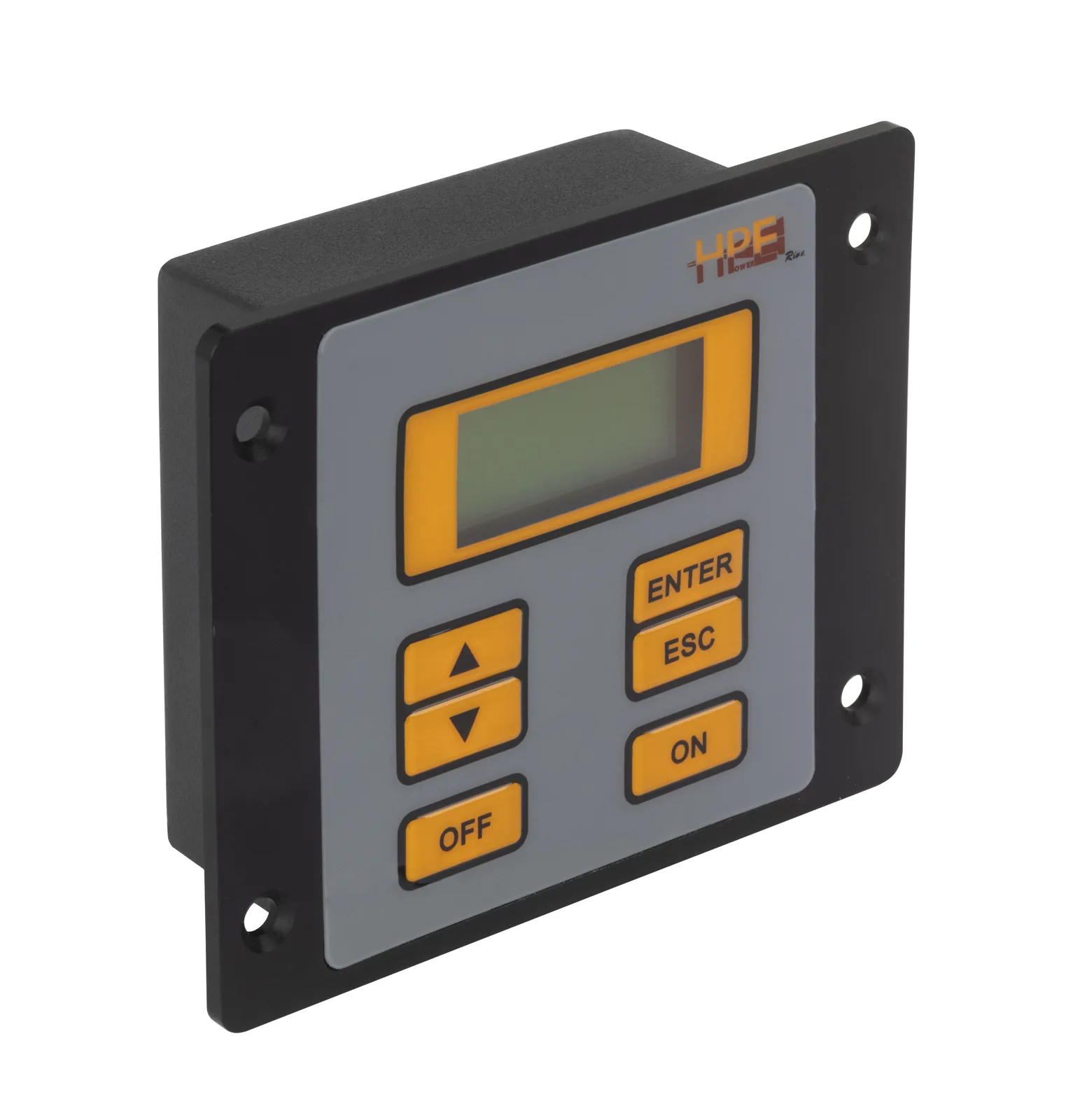
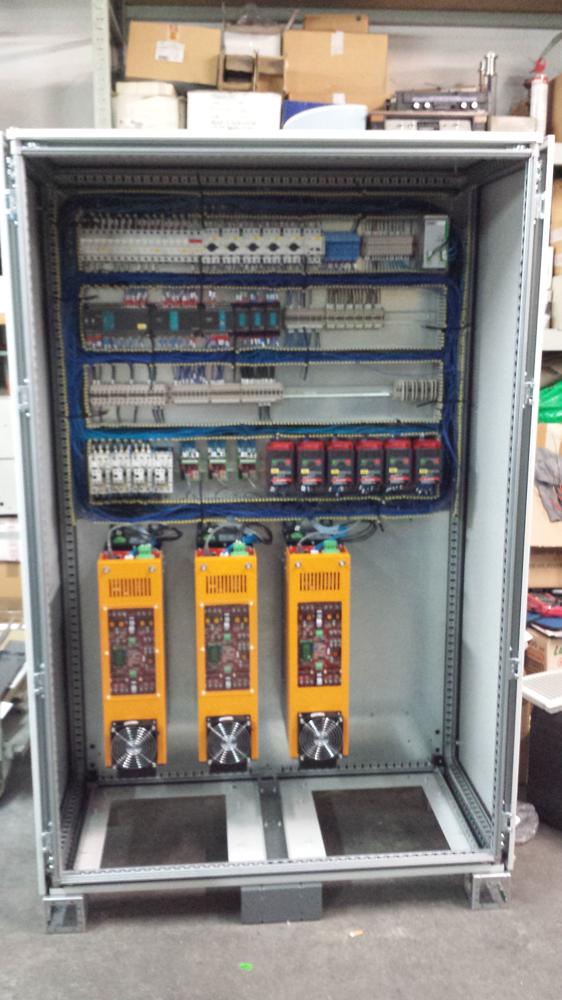
Source performance also depends on how it is powered and controlled.
A UV-system power supply is not an isolated component: it must be compatible with the lamp or module, required power, available mains supply, cooling, regulation and machine logic.
Sizing
We assess nominal power, voltage and current, regulation method, standby conditions and source characteristics to avoid undersizing or unsuitable combinations.
Regulation and diagnostics
Electronic management enables power control, status signals and PLC/HMI integration. In retrofit projects we also analyse existing wiring, protections and components.
Machine integration
Interlocks, start/stop, alarms and communications must be integrated into the machine sequence clearly and safely.
To assess a replacement: power-supply model, lamp or module data, power, mains voltage, electrical diagram and current control method.
What to compare before changing the power supply
Nominal power alone is not enough to compare two solutions. To understand whether an upgrade is useful, full-load operation must be distinguished from waiting time and production variations. A continuously operated system and one with frequent stops may require different assessments.
- Describe how many hours the line operates and how power is managed during pauses.
- Indicate whether the issue concerns energy use, instability, regulation or difficulty sourcing spare parts.
- Specify which controls and information must remain available to the operator.
These elements complement the electrical data needed for compatibility. Any benefit must be evaluated on the actual operating cycle, without assuming guaranteed savings from the technology alone. If the control system also changes, see the UV-system revamping page.
Tell us about the process you want to improve.
We start from your production process, materials and the result you want to achieve. The solution comes afterwards.