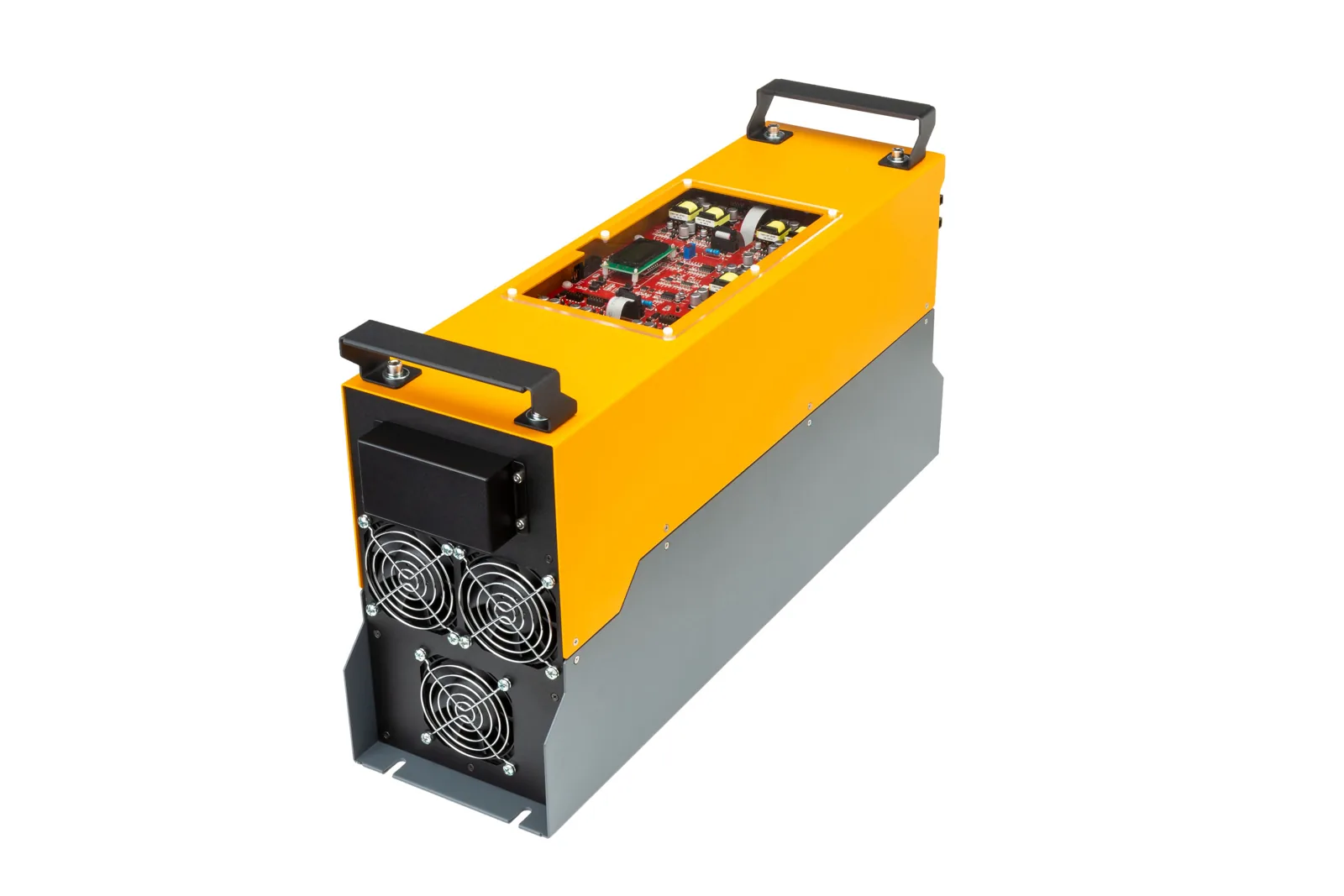
Industrial UV LED Systems
Industrial UV LED modules integrated into the process with attention to wavelength, power density, cooling, control and actual compatibility with the product.
Let us assess your process compatibilityLED is not a simple replacement for a UV lamp.
To achieve a reliable result, chemistry, geometry, distance, speed, cooling and control must be verified. The technology is selected after understanding the process.
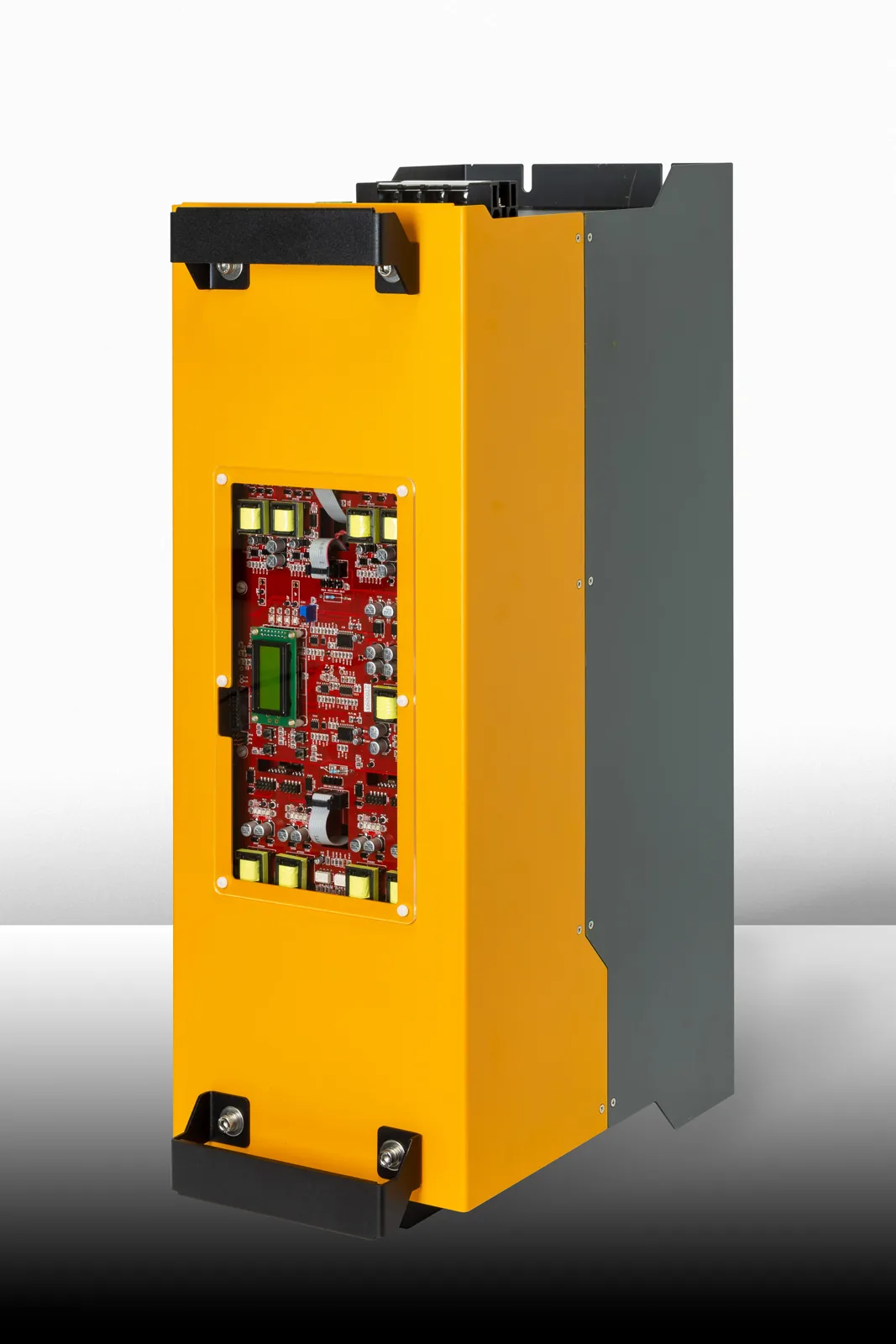
A solution built around the process.
Power and geometry
Module selection and configuration according to the area to be treated.
Deposit control
If the process requires intermediate stabilisation, the feasibility of pinning must be assessed on the specific formulation and machine.
Regulation and diagnostics
Power control, recipes, alarms and integration with the production line.
Understand first. Then design.
Sample
We assess the product and formulation.
Process
Speed, distance and result.
Integration
Mechanical, thermal and electrical integration.
Control
PLC/HMI and diagnostics.
Technology visible in the details.
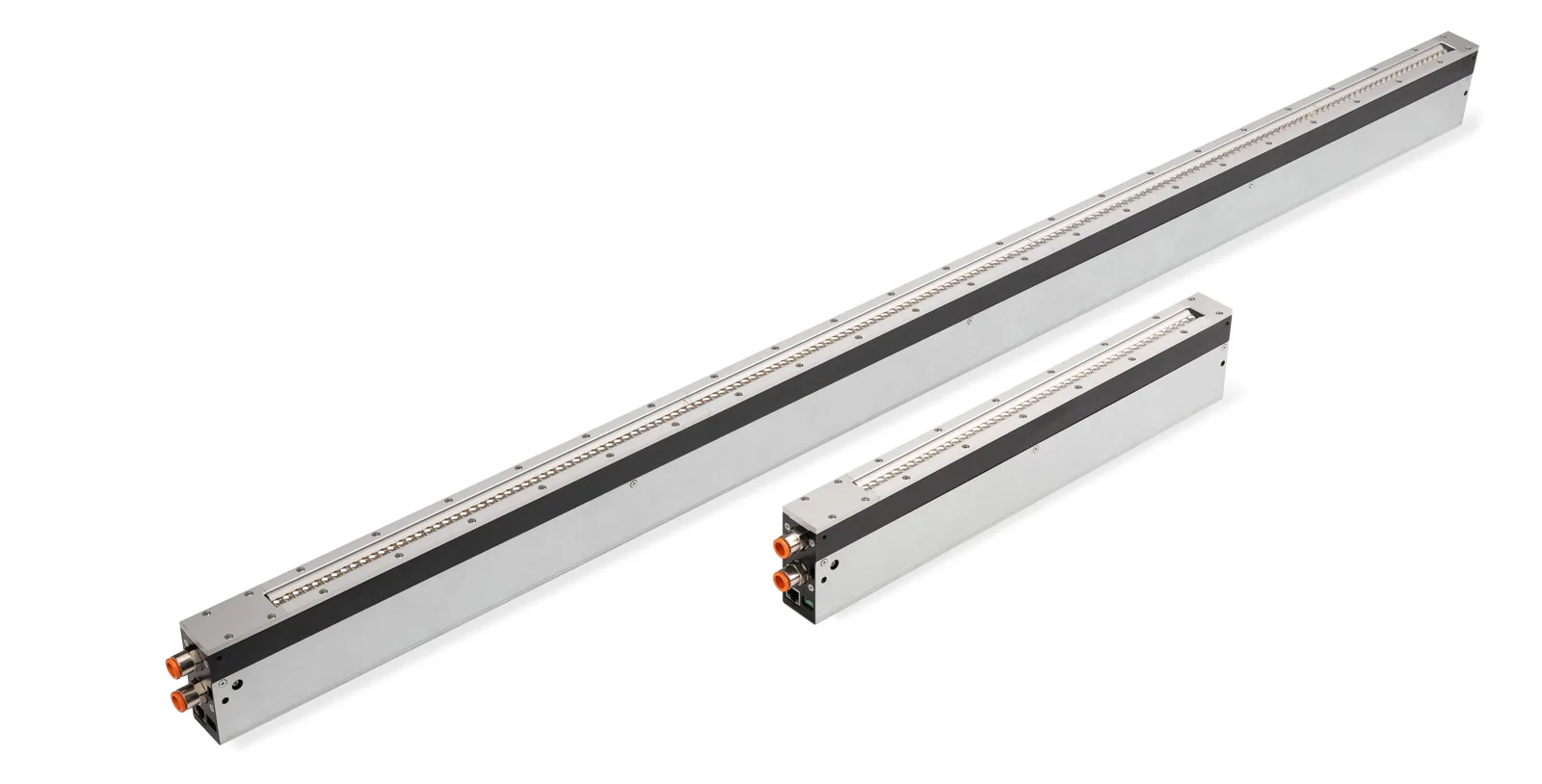
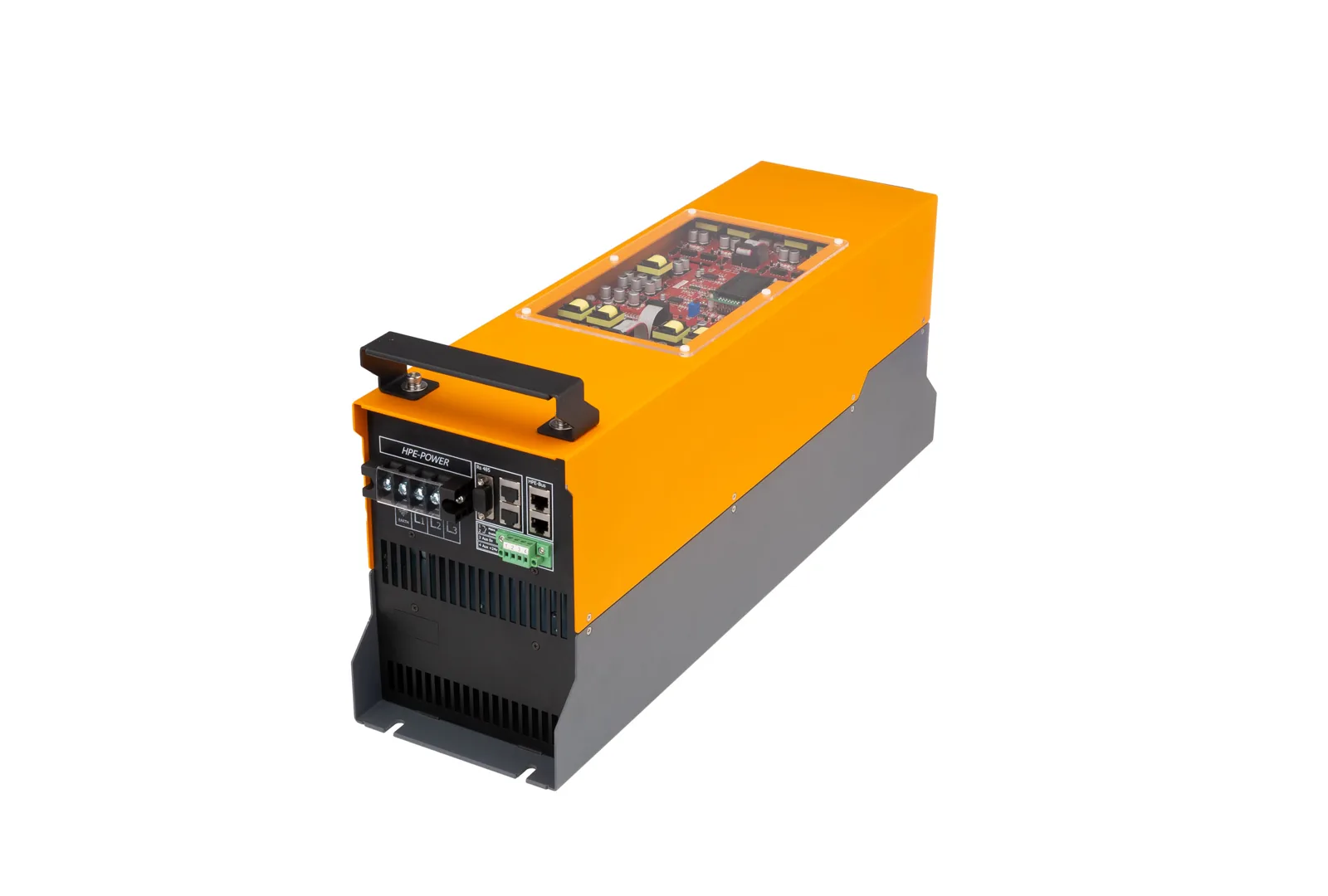
Wavelength, irradiance, dose and thermal management must be consistent with the process.
A UV LED system is designed starting from the formulation and machine geometry. Wavelength must be selected according to the formulation and the specifications of the proposed module, together with distance, speed, useful area, uniformity and thermal management.
Spectrum and formulation
Compatibility between photoinitiators and wavelength is critical. UV LED is not automatically better: if the chemistry is unsuitable, the result may be insufficient even at high power.
Dose and speed
Dose depends on irradiance and exposure time. Line speed, distance and optics change the energy actually received by the product and must be considered together.
Thermal management
LED modules, power supply and heat dissipation must operate within stable thermal conditions. Air or water cooling is selected according to power, density and available space.
Useful data for an assessment: formulation, substrate, required wavelength if already known, line speed, working distance, useful width, irradiated area and available cooling system.
What the product test should demonstrate
Before selecting the module, it is useful to define the result that must be verified on the material. Intermediate pinning and final curing have different objectives, so the comparison must start from the intended process and formulation requirements.
- Identify the substrate and applied product, noting any variants used in production.
- Describe the required result and the criterion used to verify it.
- State the test conditions, including speed, distance and configuration of the irradiated area.
A test under one condition does not automatically demonstrate suitability for all processes. If switching from traditional lamps to LED is being considered, machine adaptations must also be evaluated. See the intervention framework on the dedicated UV retrofit page.
Tell us about the process you want to improve.
We start from your production process, materials and the result you want to achieve. The solution comes afterwards.