UV Systems for Cosmetic Packaging and Industrial Decoration
UV and UV LED solutions for industrial decoration and printing processes where surface quality, speed and control must work together.
Tell us about your decoration processEvery surface responds differently.
Material, formulation, part geometry, applied layer and speed determine the solution. That is why we start with the process, not with a lamp selected from a catalogue.
A solution built around the process.
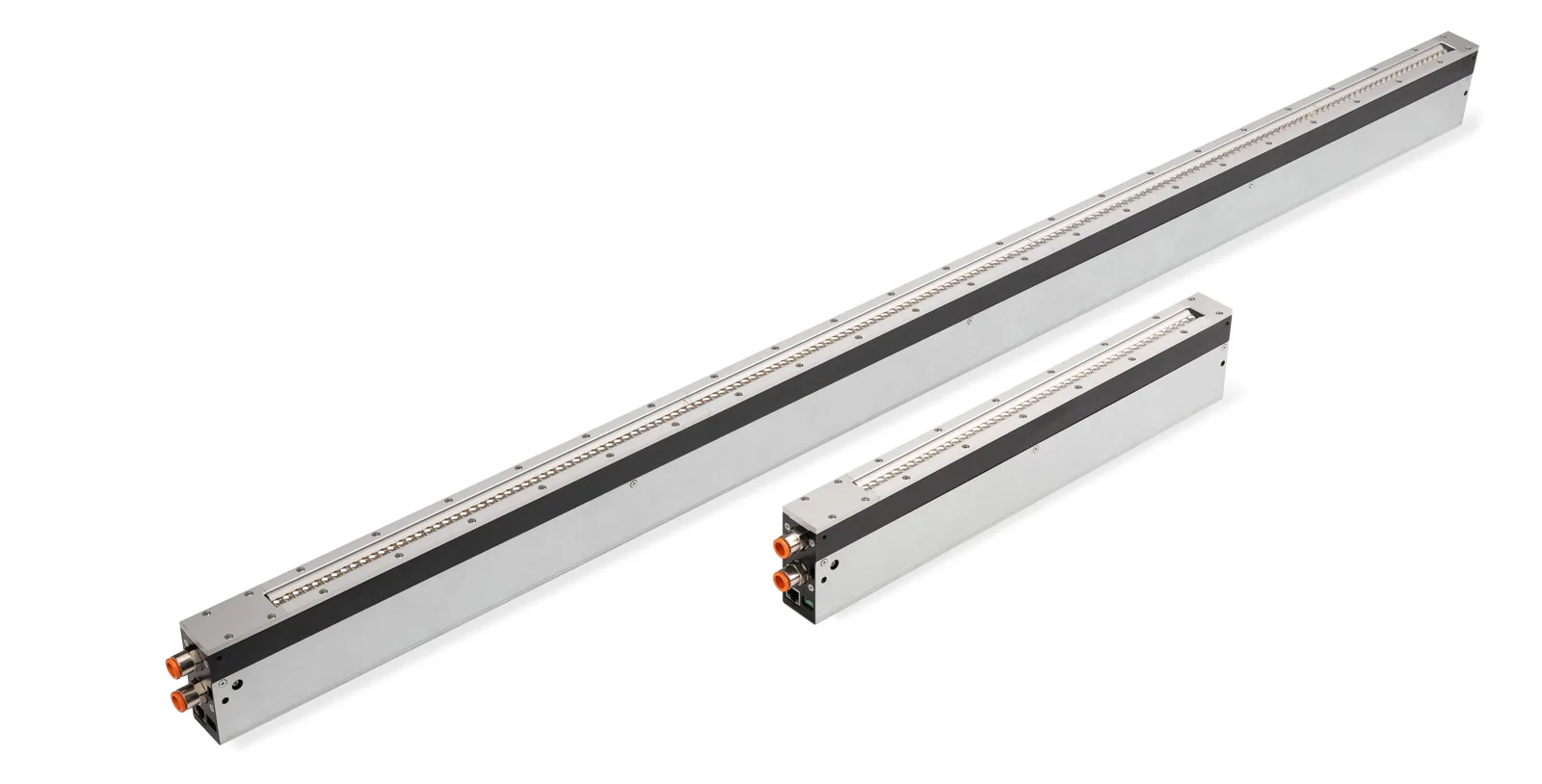
Polymerisation
UV or UV LED configuration matched to the chemistry and production speed.
Intermediate stabilisation
Any intermediate stabilisation of the applied layer requires a specific assessment of the formulation, source and production cycle.
Machine integration
Definition of the subsystem and its interfaces according to the machine requirements.
Understand first. Design second.
Sample
Material and formulation.
Test
Result and process window.
Design
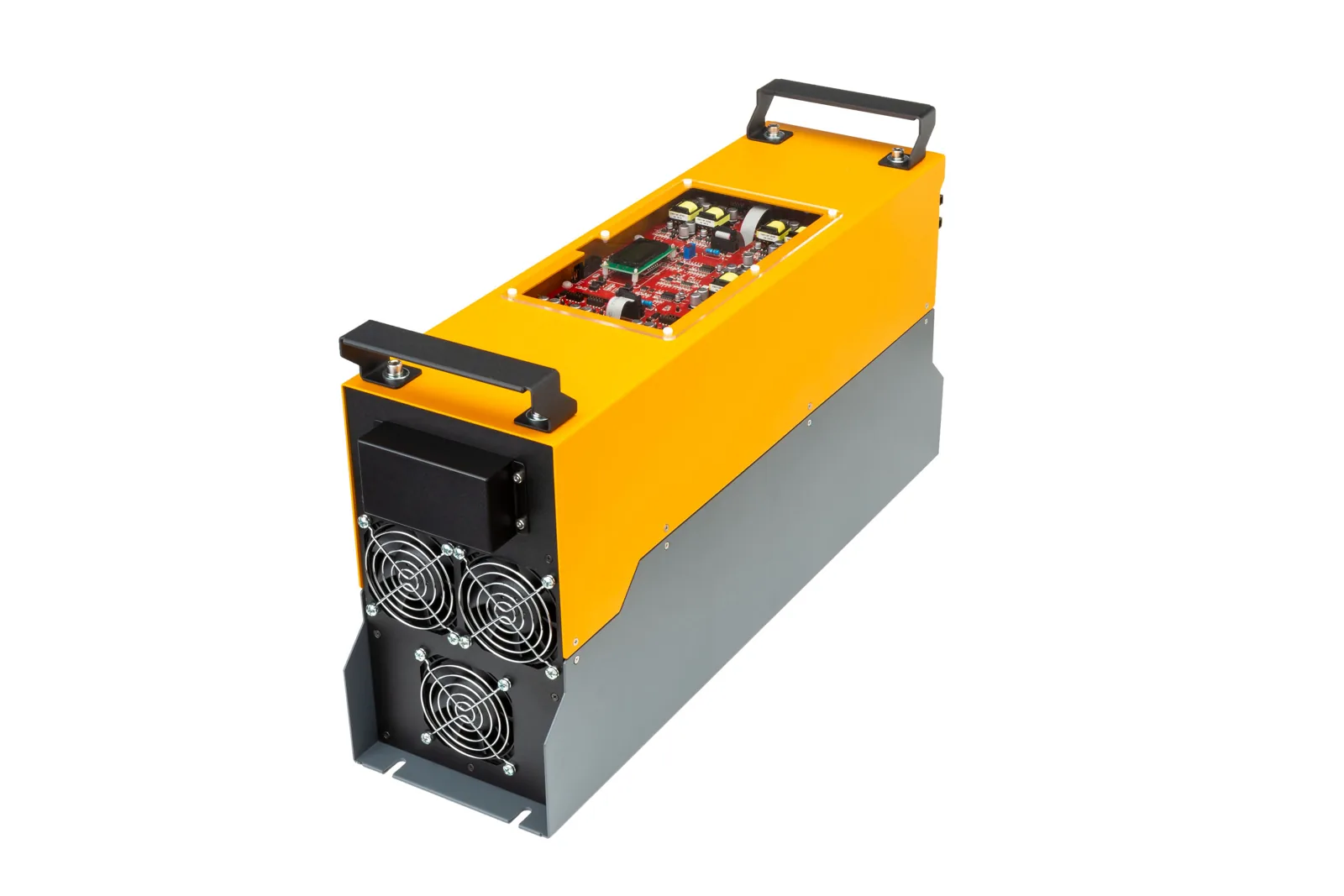
Optics, power and cooling.
Integrate
Control and commissioning.
Technology in the details.
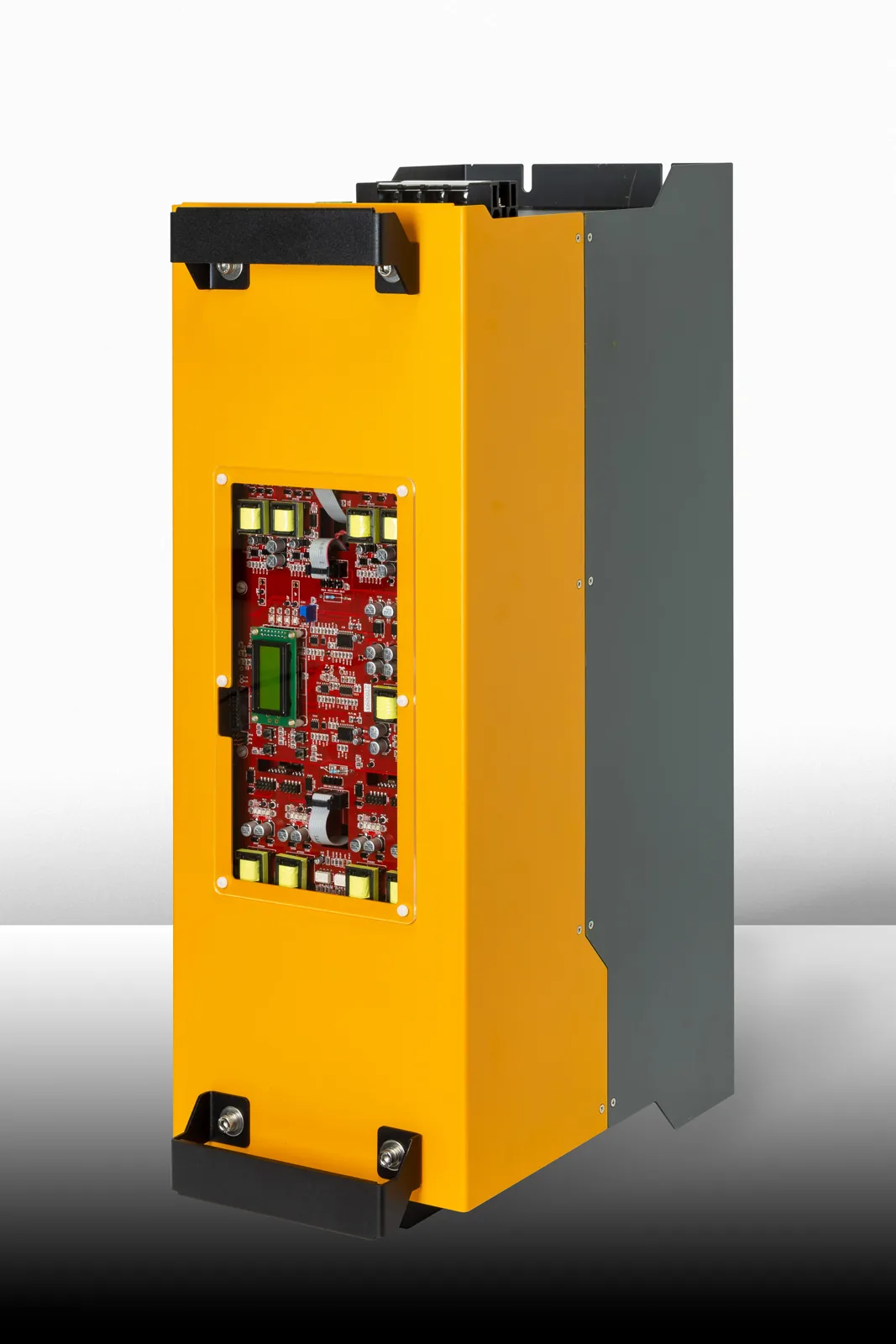
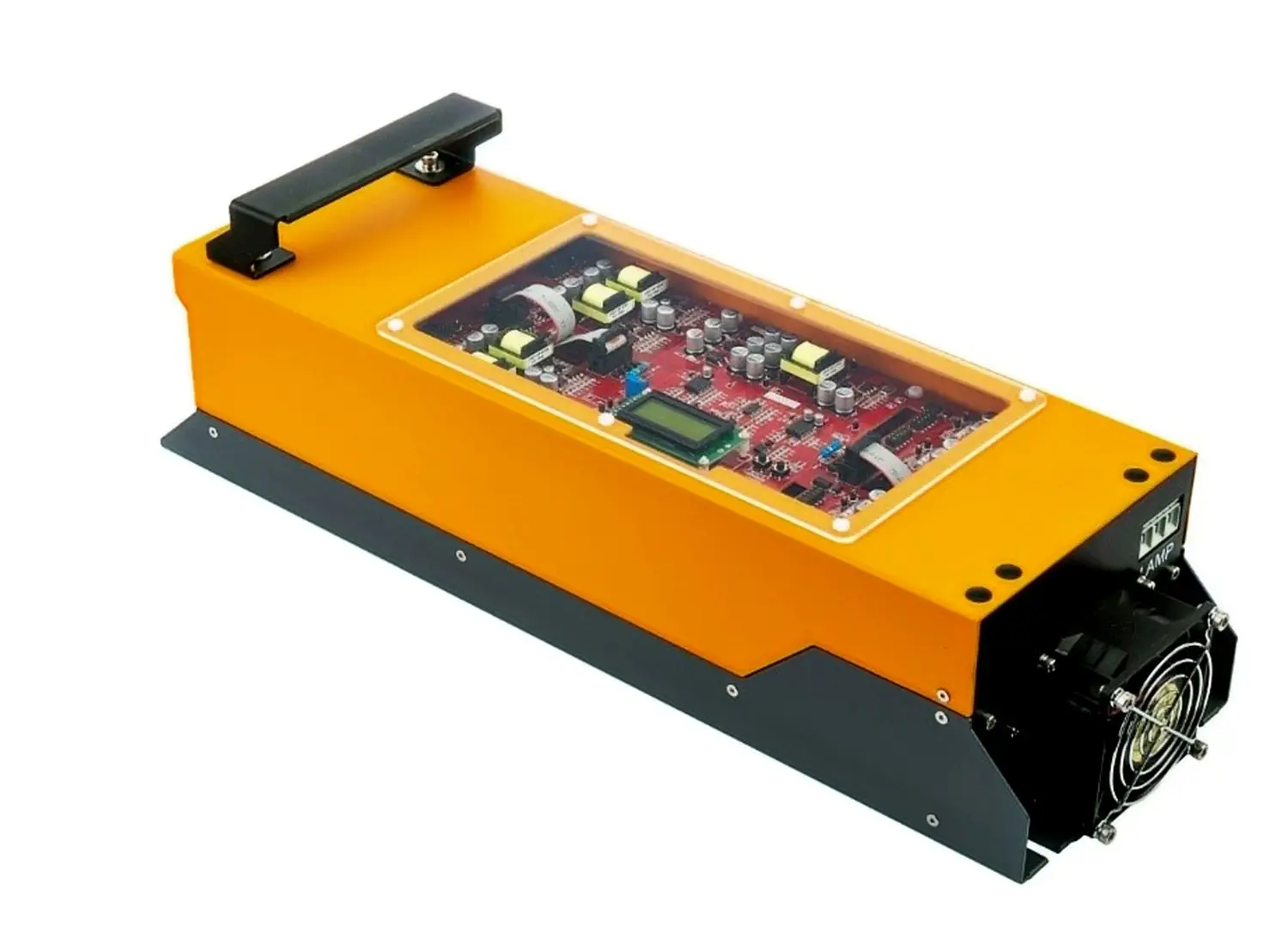
Curing must be verified on the actual product.
In cosmetic packaging and industrial decoration, substrates, shapes, applied layers, finishes, speeds and treatment areas can vary. The UV configuration is therefore defined around the actual cycle, not nominal power alone.
Part geometry
Flat, cylindrical and three-dimensional surfaces require different source positions. Distance, angle and shielding must be considered to avoid shadowed areas and overexposure.
Substrate and applied layer
The material, colour, thickness of the ink or coating, and finish affect absorption and the response to curing. The configuration must be verified with the chemistry actually used.
Productivity and control
Speed, cycle times, start-up, standby, enable signals and alarms must be integrated into the line to support repeatability and production continuity.
For an initial assessment: photographs of the part, dimensions, material, formulation, production speed, treatment area, available machine space and details of any existing UV system.
A bottle is not a sheet: distance, angle and exposed surface change during printing.
In cosmetic packaging, the source must be matched to a process that may involve glass, PET, PP, treated PE, aluminium or other substrates, with cylindrical, oval or shaped geometries. In direct screen printing, the part rotates and curing must be coordinated with registration, rotation speed and the area actually printed.
Ink adhesion, colour opacity, any opaque white layer, the resistance required for the packaged product and the container's heat sensitivity influence the choice between conventional UV and UV LED. Pinning between colours and final curing have different functions and may require different sources and positions.
A UV system for decorating glass bottles
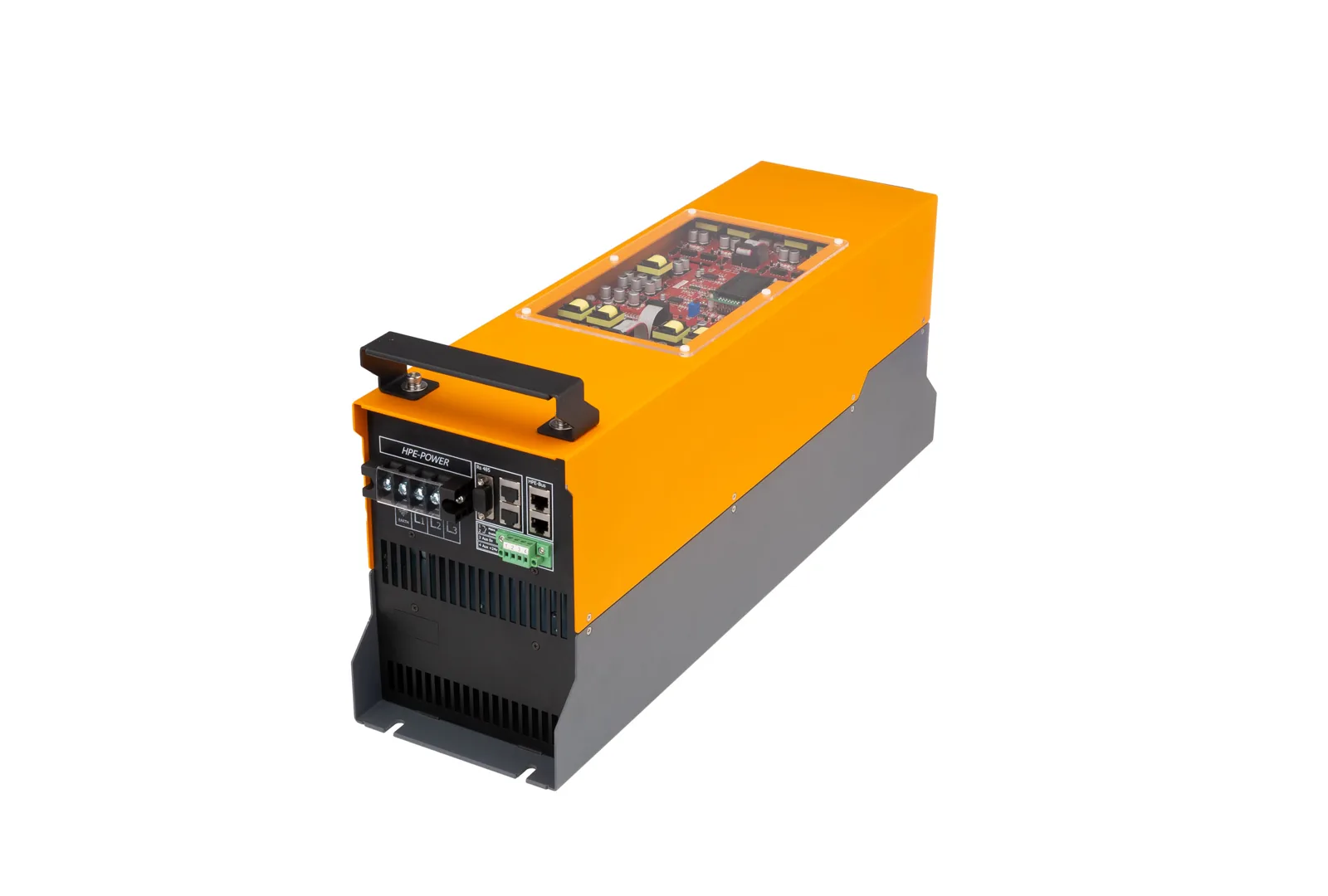
In our custom project for glass bottles, we approached the task as a machine-integration project: conveying, conventional UV and automatic adjustment of the lamp position in height and depth.
A machine trial before permanent installation.
One application documented in our archive involved a trial installation of a lamp housing on a screen-printing system for bottles. This stage preceded the permanent installation and the construction of the control and power-supply panel.
It shows why a decoration project involves more than the source alone: its position in the machine and its connection to the production cycle must be assessed. The trial photograph records this intermediate stage, distinct from the final system.
For a similar assessment, describe the bottle, the printed area and its path through the machine. Tell us whether you need to assess an existing configuration or develop a new integration. Send us your decoration-process details.
Tell us about the process you want to improve.
We start with your production, materials and the result you need. The solution comes next.