From a production problem to a clearly defined intervention.
Technical assessment, design, UV components and subsystems, control cabinets, retrofit, commissioning and service: we define the scope around your machine. Involve us in a new project, a system upgrade or fault diagnosis.
What do you need to solve?
Designing a UV or UV LED system
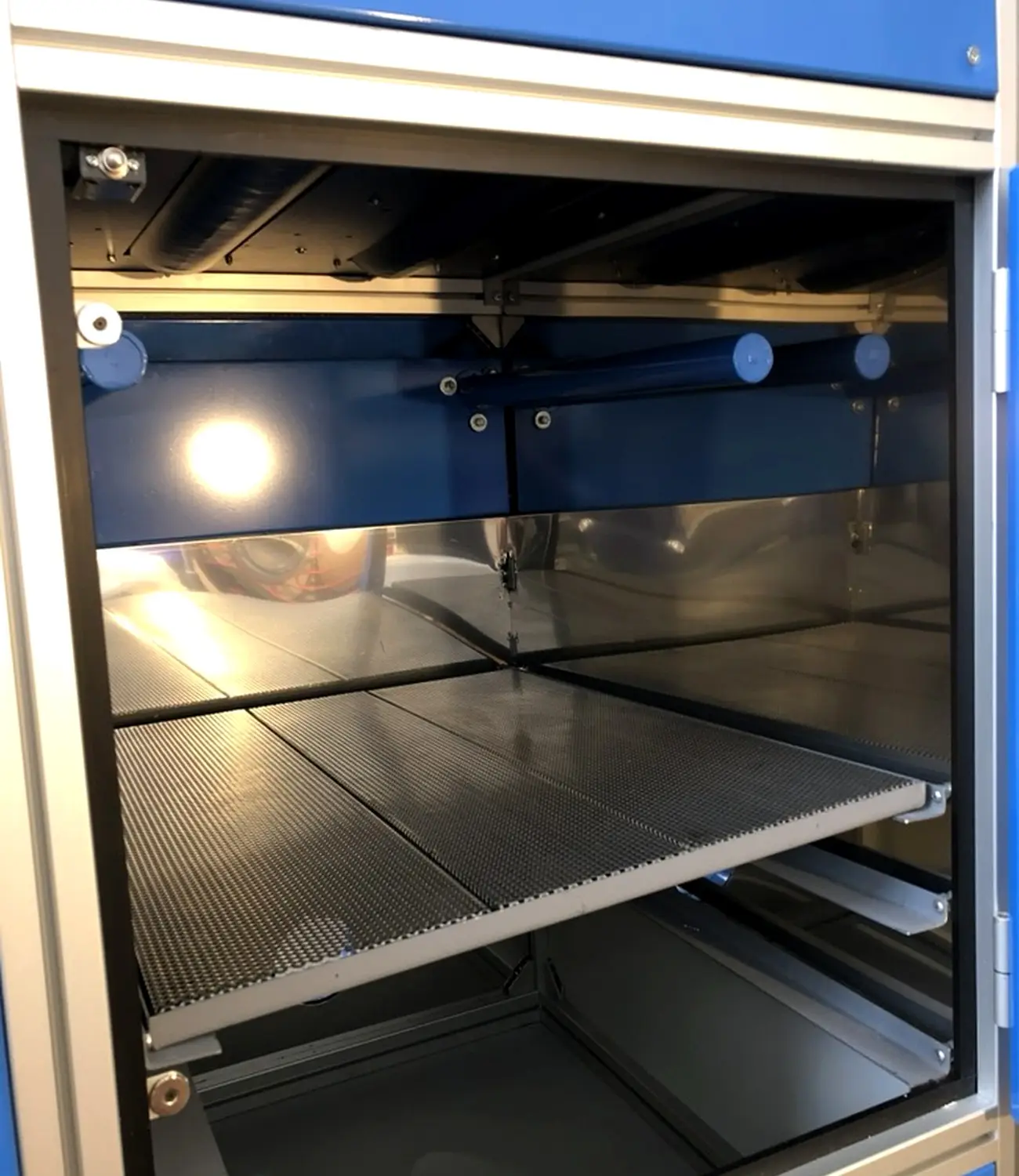
We define the source, lamp housing, power supply, air handling and control around the formulation, workpiece and machine. For machine builders, we agree the OEM interfaces. Existing conveyor ovens can be assessed by station, from the lamp housing and reflector to the electrical cabinet. UV retrofit and refurbishment.
Explore UV and UV LED systems →If a separate IR stage is needed, discuss UV and IR integration with the machine builder →
Upgrading without replacing everything
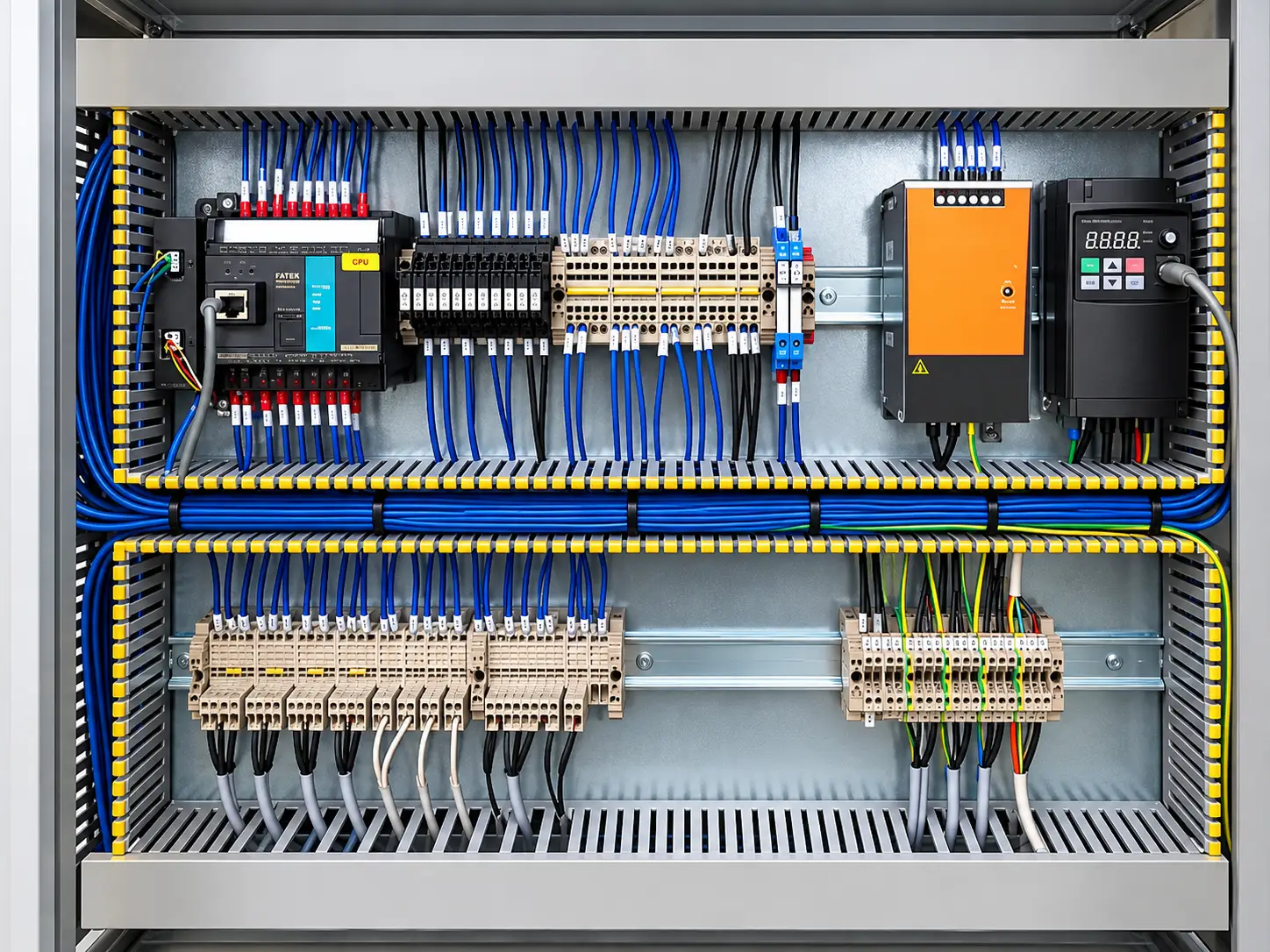
We assess UV assemblies, control cabinets, drives and automation, distinguishing components that remain suitable from those limiting production and maintenance.
Explore Retrofit and Revamping →Repairing or finding a spare part
Machine stopped? Call +39 0542 643671
We identify components and interfaces before choosing a repair, compatible replacement or wider intervention.
Explore Service and Spare Parts →A supply scope matched to the problem.
Not every request requires a new machine. These activities can be combined or commissioned individually, with agreed interfaces and responsibilities.
| Activity | What the assessment covers | Deliverables to define in the proposal |
|---|---|---|
| Assessment and testing | Material, chemistry, treatment area, speed, available space and required quality. | Proposed architecture, missing information, samples and test criteria. |
| Design and construction | Lamp housings, UV LED, IR where heat is required, power supply, cooling, extraction and mechanical assemblies. | A component, subsystem or special-purpose machine with clearly defined supply boundaries. |
| Control cabinets and automation | Electrical supply, protection, PLC/HMI, I/O, drives, interlocks, alarms and communications. | Control cabinet, software, wiring and machine interfaces as defined in the project. |
| Retrofit and revamping | Existing condition, compatibility, access, downtime, obsolescence and production objectives. | Parts to retain, repair or replace; stages, acceptance testing and responsibilities. |
| Service and spare parts | Symptoms, model, nameplates, operating conditions and component compatibility. | Diagnosis, testing, repair, spare parts or a site visit where needed. |
What we assess beyond the lamp.
The result also depends on optics, conveying, thermal management, power supply and operating sequences. For an existing system, the first question is which parts can be retained; for a new system, it is how to integrate the assembly into the process.
The sample and acceptance criteria guide UV or IR testing.
Dimensions, mounting, speed, access, control cabinet and line signals.
Alarms, settings, spare parts, air handling and conditions for future maintenance.
Three services, three documented scopes.
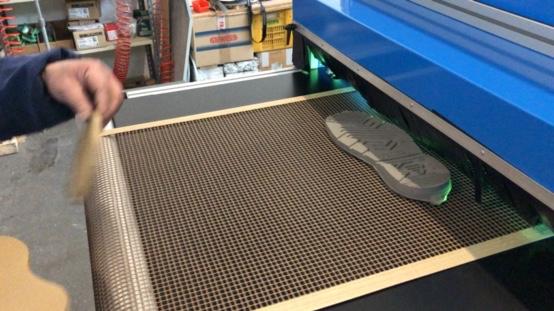
Rotary UV4 Compact
A UV machine dedicated to sole treatment. Acceptance testing with the customer documents the transition from configuration to testing on the customer's product.
Explore the case →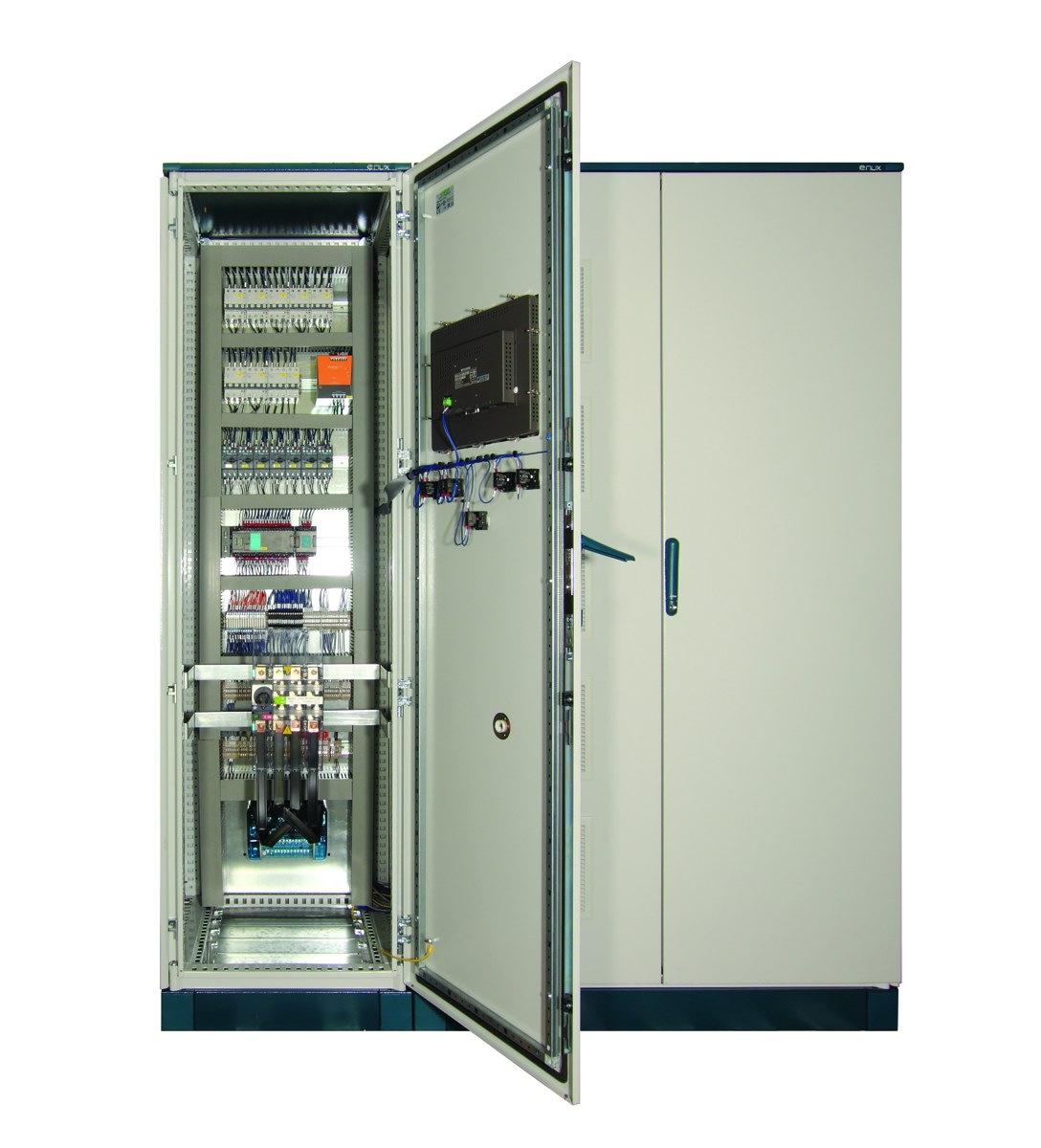
Müller Martini
Seven lamp housings and seven power supplies installed on the existing machine. The 250 m/min figure relates to the documented printing application, not to every system.
Explore the retrofit →
Component intervention
The photograph shows a service operation. We assess component repairability and compatibility case by case, without promising that every assembly can be restored.
Explore the service →The photographs document work performed, not the performance of a new system; every proposal requires information about the specific process.
A precise response starts with a clear scope.
Listening
The problem, product, production line and result to achieve.
Survey
Photos, diagrams, constraints and a site survey where needed.
Assessment
Parts to retain, technical options and outstanding tests.
Proposal
Components, responsibilities, timing, costs and acceptance criteria.
Implementation
Construction, software, wiring and agreed integration.
Acceptance testing
Functions and workpiece results under the defined conditions.
Send what you know; we will identify what is missing.
New machine or process
- Material, formulation and required result.
- Dimensions, treatment area, speed and layout.
- Permissible temperature, utilities and available interfaces.
Fault or existing system
- Overall photos, control cabinet photos and component photos.
- Make, model, nameplates, diagrams and alarms, where available.
- What is not working, when it started and which parts you want to retain.
What can you ask us to supply?
Can you supply just a lamp housing or control cabinet?
Yes. We can work on a single component or a subsystem including power supply, air handling and control. Interfaces and responsibilities are defined in the proposal.
Can LED always replace an existing UV assembly?
No. We assess the formulation, wavelength, dose on the workpiece, coverage, thermal management and machine compatibility before proposing a conversion.
What should I send if the problem is urgent?
Describe the symptoms and downtime, and add photos of the component and control cabinet, nameplates and the alarm code. We will identify which checks can be started and whether a site visit is needed.
How are costs and timing defined?
Once the scope is understood: component, integration, testing, downtime and documentation. An initial request can start with incomplete information.
Describe the problem or project.
The machine, product, objective and your contact details are enough to start. We help you choose the checks and service appropriate to your case.