
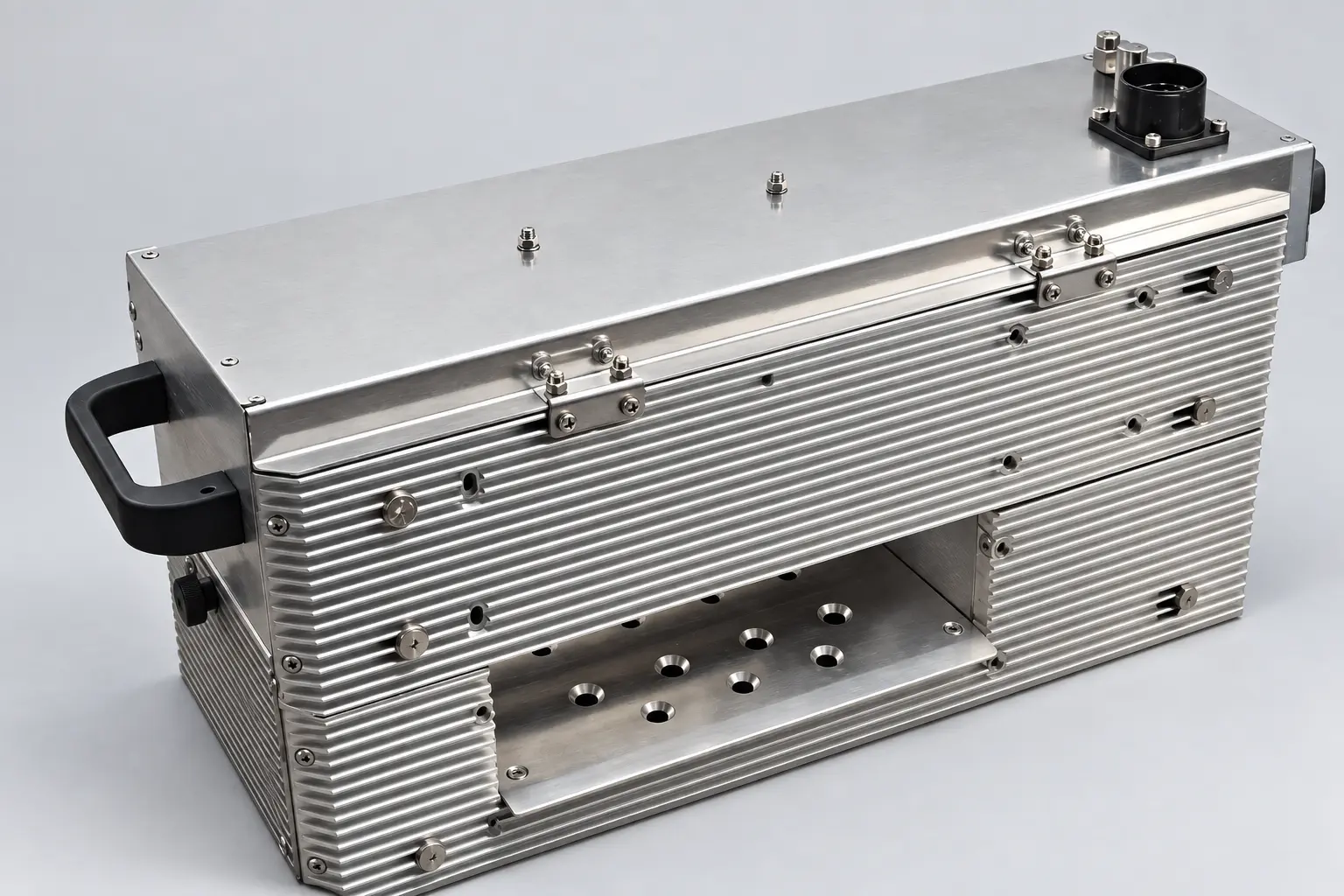
Service and Spare Parts for UV Systems
From current systems to CEE Electra components from many years ago: wherever possible, we prefer to understand the problem, repair the component and return the customer's original part in working order.
Request service for your UV systemEven an old lamp housing deserves a technical answer.
We do not divide customers into large and small. A specialised repair can be as important as a new machine: the value lies in solving a problem and returning the customer's part in working order.
A solution built around the process.
Technical archive and expertise
We know the components, UV dryers, control cabinets and lamp housings associated with the technical background in which our experience began.
Compatibility in practice
We identify the component and check geometry, power ratings and operating conditions before proposing a replacement.
Retaining the original
Where technically appropriate, we repair the existing component rather than requiring the customer to change the system.
Understand first. Then intervene.
Identify
Photographs, nameplates, dimensions and operating conditions.
Verify
Electrical, thermal and mechanical compatibility.
Repair
Restoring the component where possible.
Test
Testing before return to the customer.
Restoration and preparation for return
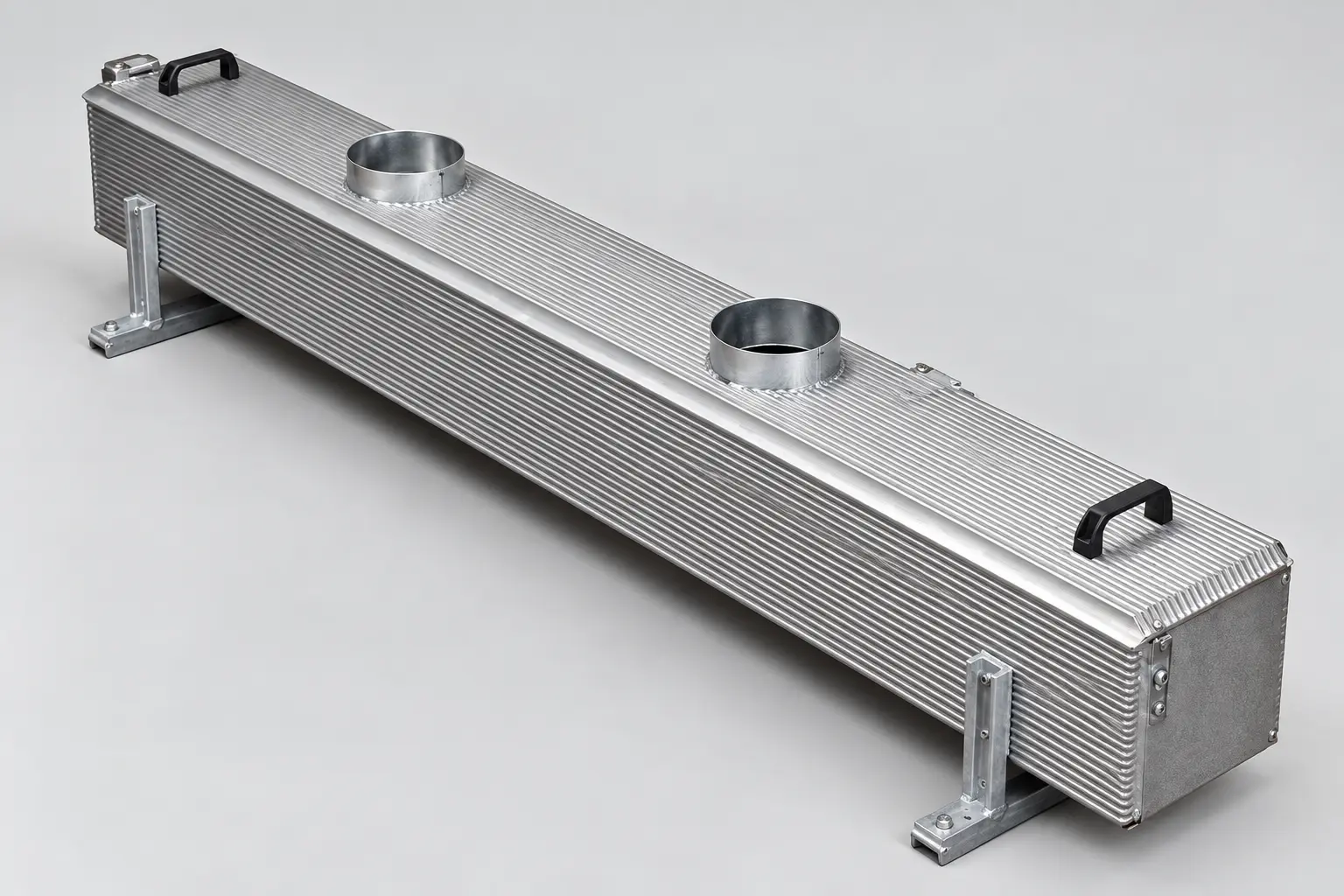
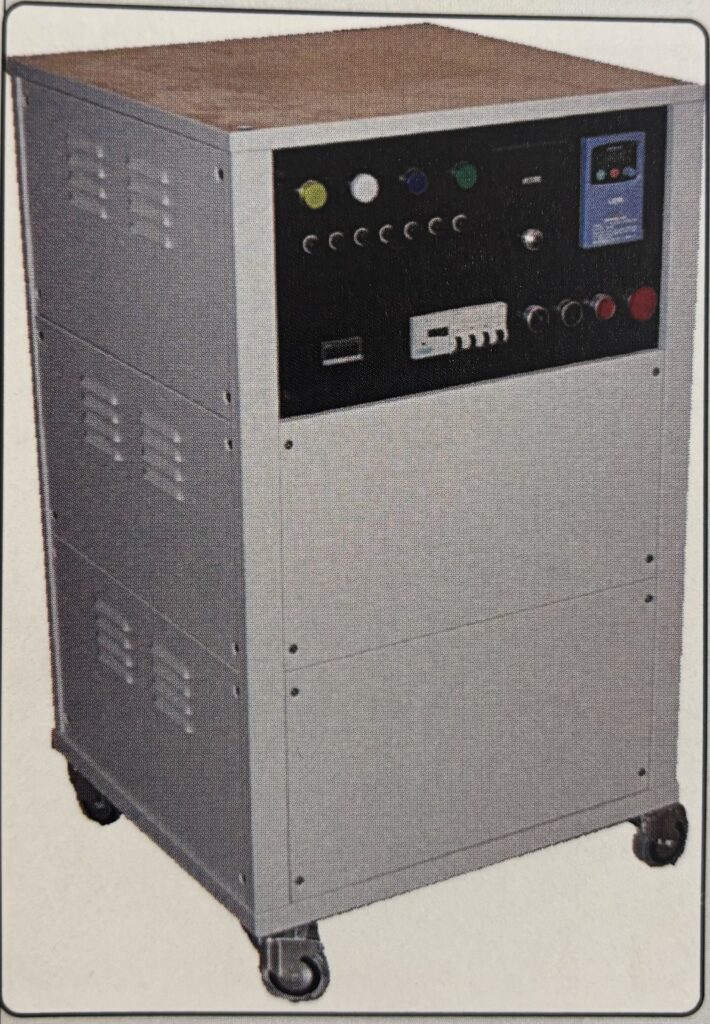
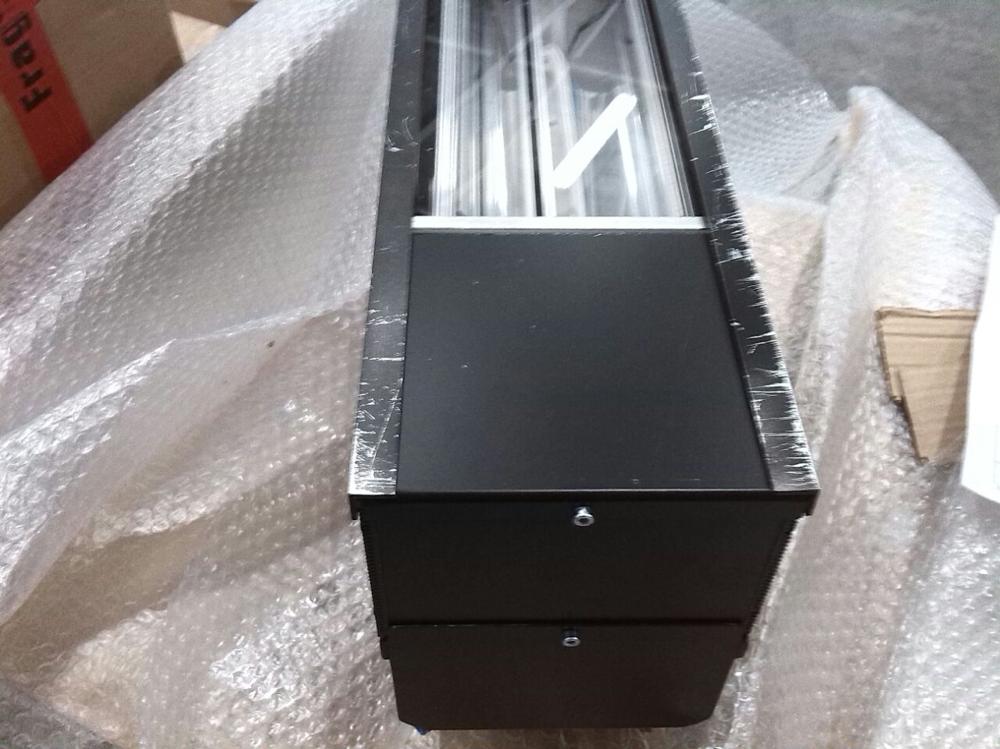
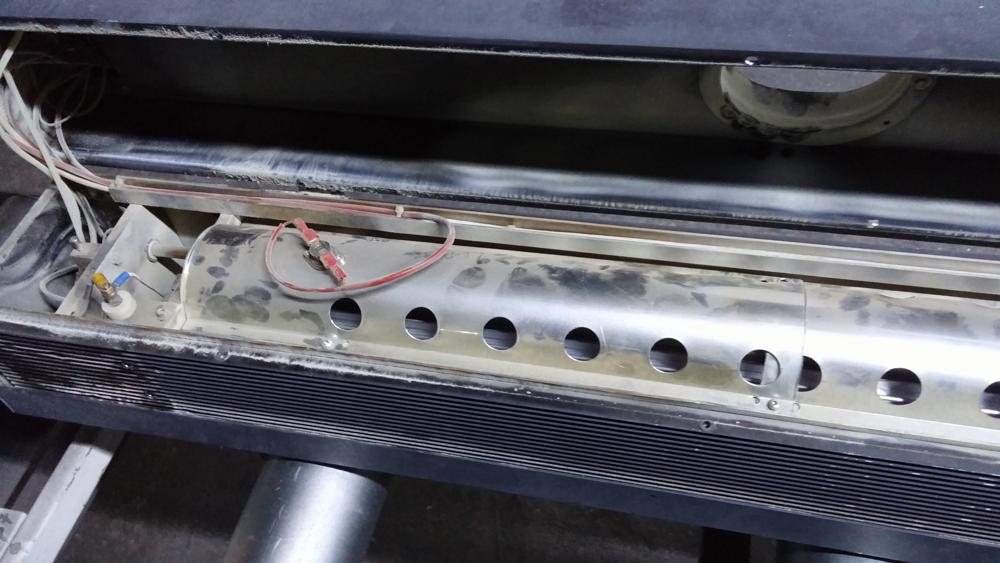
Technical service at the customer's site.
Work on a UV lamp housing directly at the customer's premises: the component is assessed in the context of the machine in which it is installed.
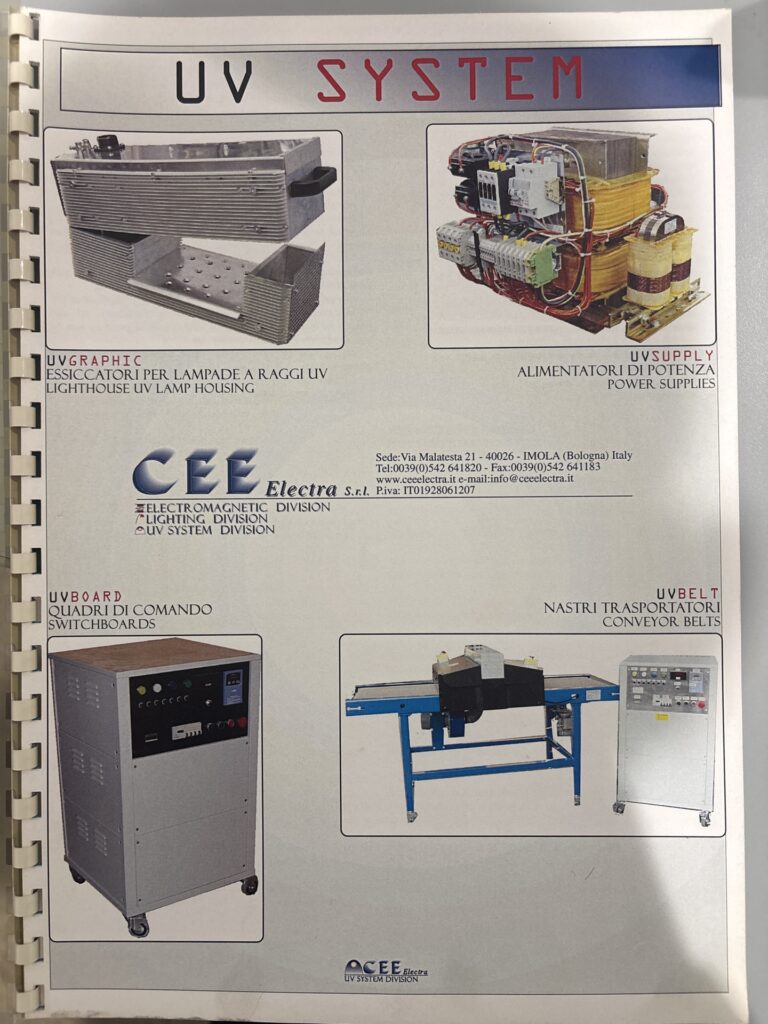
CEE Electra / CEE Eletotec: experience that still helps today.
Historical catalogues, UV dryers, power supplies, control cabinets and lamp housings are not shown as current products. They form part of a technical heritage that helps us recognise and work with systems that others may simply consider obsolete.
Spare part, repair or compatibility: the decision follows the diagnosis.
For UV systems that have been operating for years, the problem is not always finding a new component. Often, the first step is to identify what is installed, verify its function, measure dimensions and connections, and determine whether it can be repaired, adapted or replaced without changing the machine's behaviour.
UV components
Lamps, reflectors, lamp housings, shielding, optics, opening mechanisms and components associated with cooling and extraction.
Power supply and control
Transformers, electronic power supplies, controllers, relays, contactors, boards and control components. When the original spare part is no longer available, we check electrical and functional equivalence.
Information for identification
Complete photographs, nameplates, dimensions, wiring diagrams, voltages, power ratings, connectors and a description of the fault help us avoid replacements based on assumptions.
Where technically appropriate, we prefer to recover and repair the original component. Otherwise, we propose a compatible replacement or a limited revamping of the assembly.
Describe the fault to guide the diagnosis
As well as identifying the component, it is important to understand when the problem occurs. The same indication may appear at start-up, during production or after a pause: describing the sequence helps distinguish the symptom from its possible causes before choosing a spare part.
- Provide the alarm text or code rather than simply reporting that the machine stops.
- Describe whether the fault is constant or intermittent and which functions remain operational.
- Mention replacements, adjustments or work carried out before the problem appeared.
Send the information already available without dismantling components solely to complete the enquiry. Photographs and a description of the anomaly guide the initial assessment but do not replace technical checks. When several parts of the system are affected, a revamping project may need to be considered.
Do you have an old component or one that is difficult to identify?
To assess the work, send the system's make and model, photographs of the component and nameplate, a description of the problem and any available diagrams. The scope of the work is defined after the technical assessment.