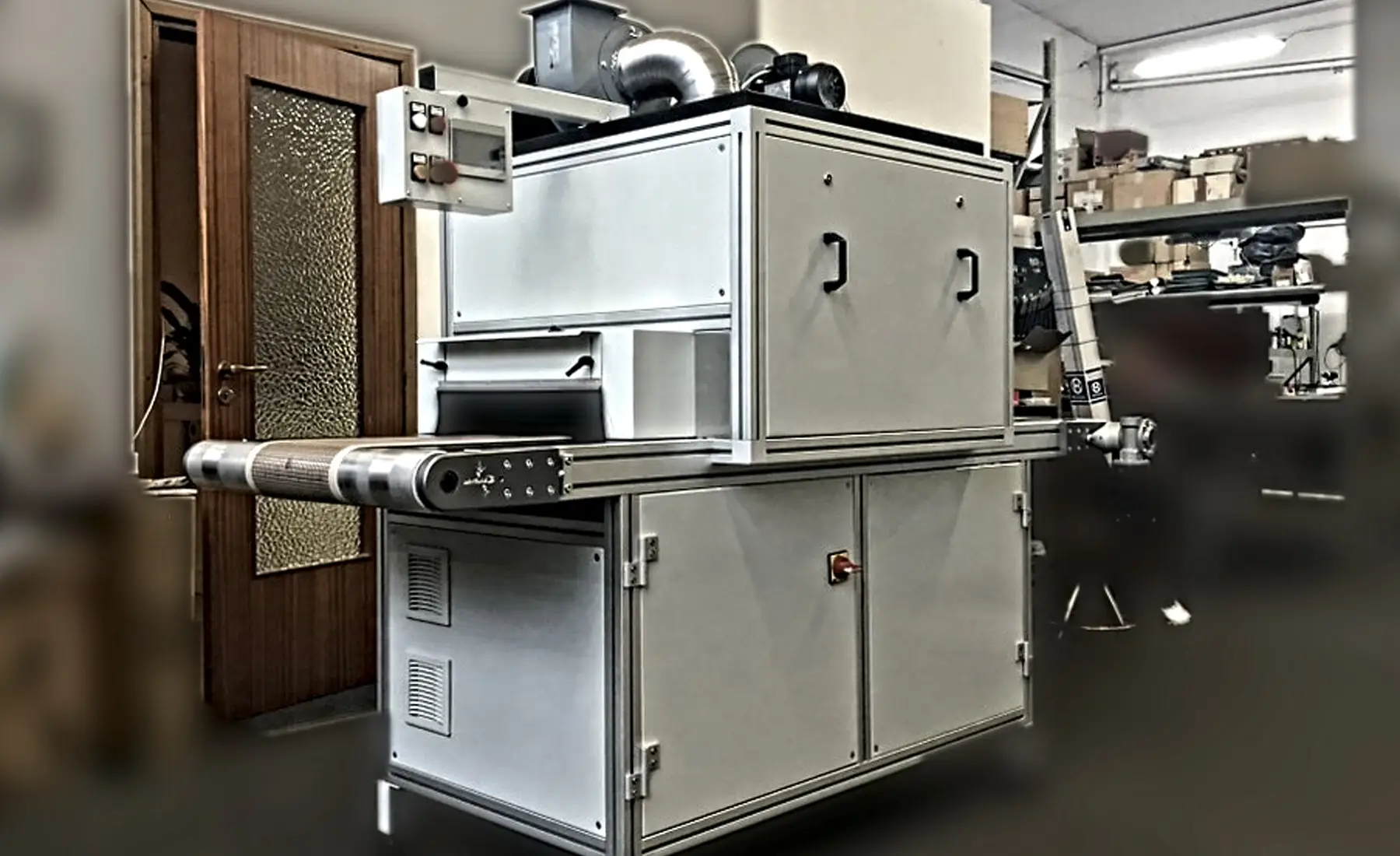
UV and UV LED systems for industrial processes.
We design and integrate UV sources, UV LED modules and complete subsystems for curing, drying and industrial treatment. The configuration is defined around the actual process: chemistry, material, geometry, line speed, thermal management and control.
A UV system must be sized around the actual process.
Nominal power and source type are only part of the design. To define a reliable configuration, we evaluate chemistry and substrate, line speed, useful width, working distance, irradiation geometry, uniformity, thermal management and control method.
Dose and irradiance
We distinguish instantaneous irradiance from the total energy received by the product. Line speed, distance and geometry affect the result and must be evaluated together with the formulation.
Spectrum and source
Conventional UV and UV LED are not automatically interchangeable. The choice depends on the formulation's absorption characteristics, the process, the permitted temperature and the machine configuration.
Thermal management and uniformity
Cooling, extraction, reflectors, useful width and distance affect stability and uniformity. A properly designed system must keep the process repeatable across the entire treated area.
Useful data for an assessment: material and formulation, line speed, useful width, available space, distance from the product, current source, installed power, cooling/extraction and control method.
The right source depends on the process.
We do not impose a technology in advance. We evaluate compatibility between formulation, spectrum, dose, geometry and line speed before defining the source.
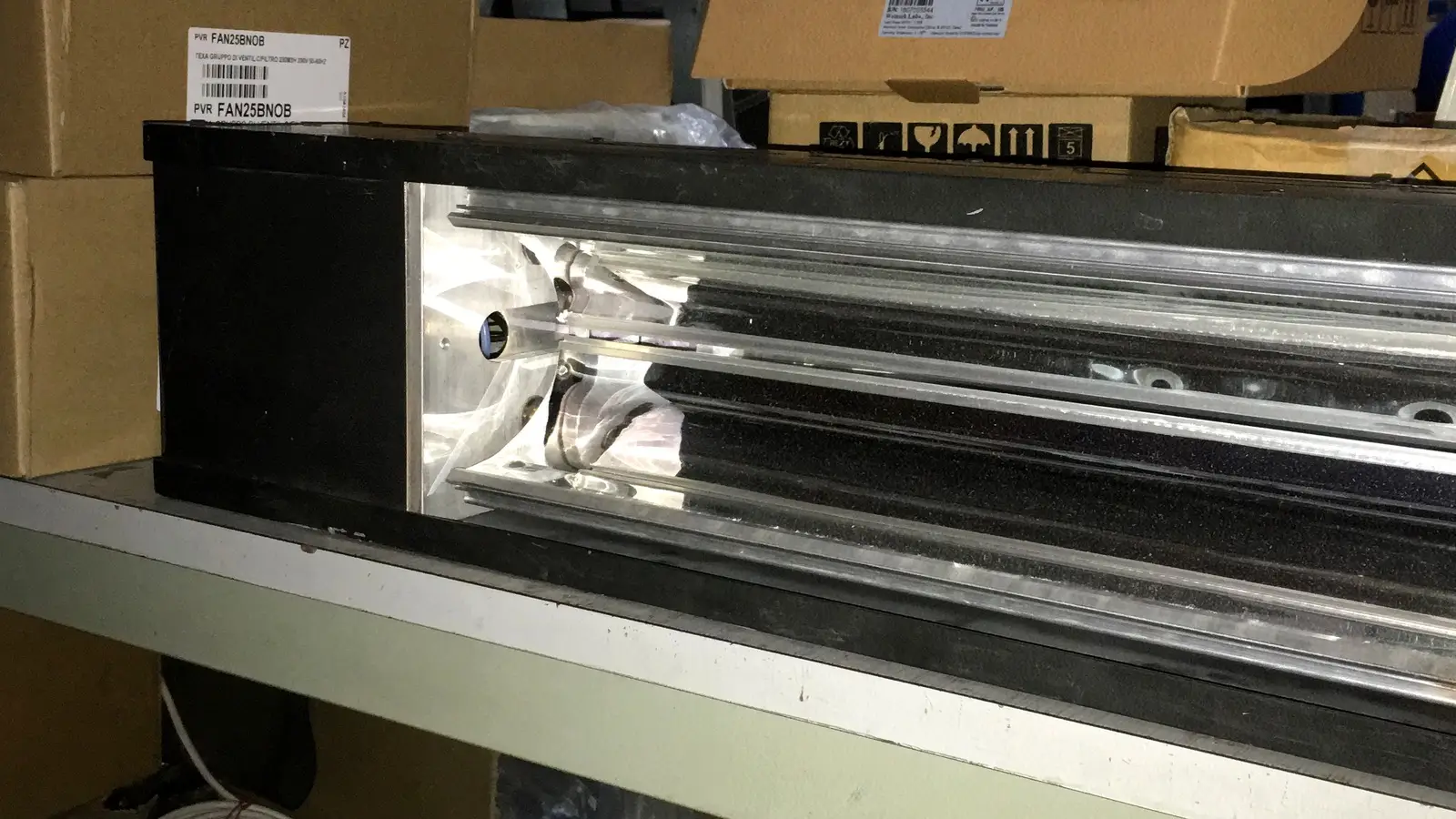
Lamp housings and reflectors
Lamp-housing geometry, reflectors, shielding and source are defined according to the area to be treated, working distance and required dose.
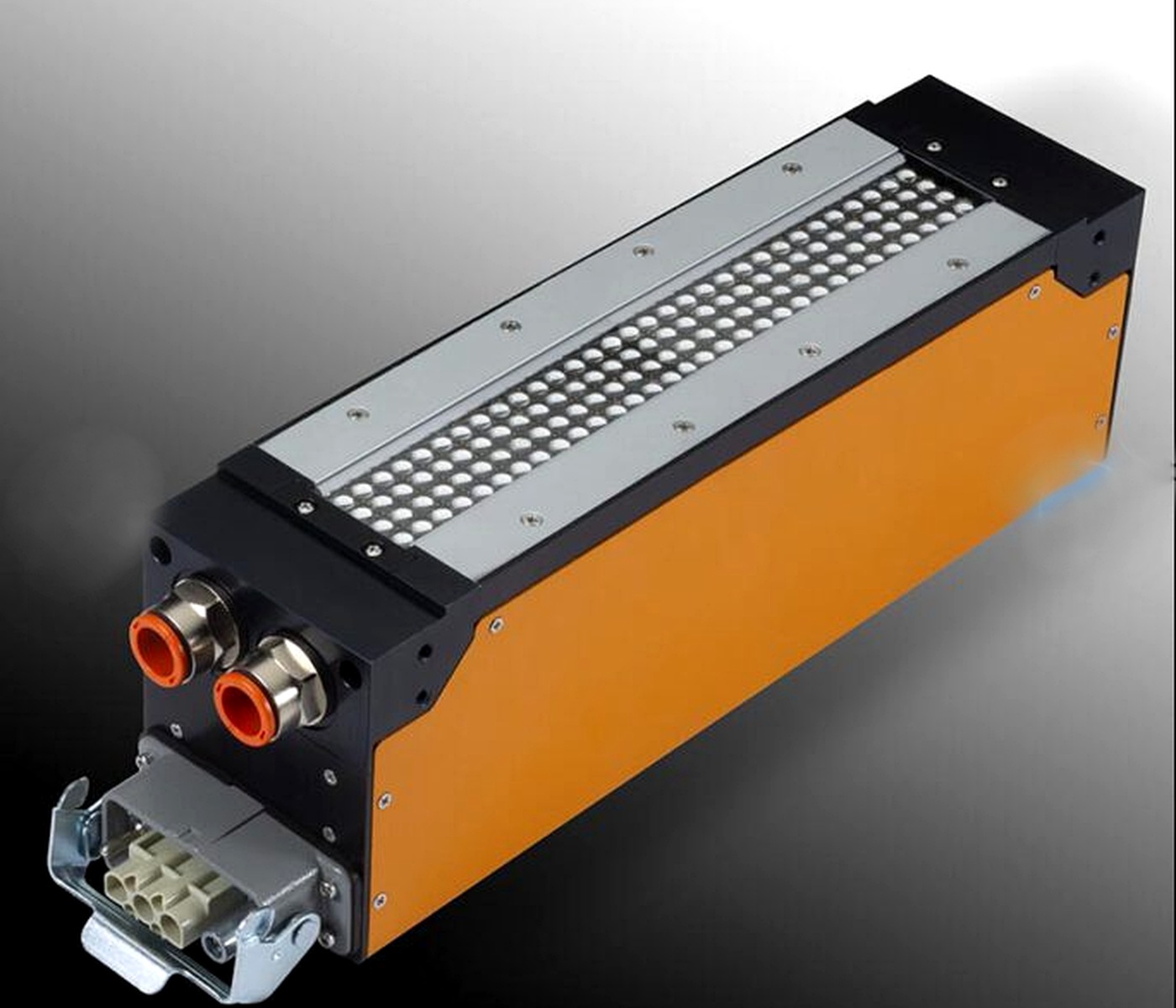
LED modules for compatible applications
When chemistry allows it, LED enables modular configurations and source control. Wavelength, irradiance, dose and cooling are verified on the actual process.
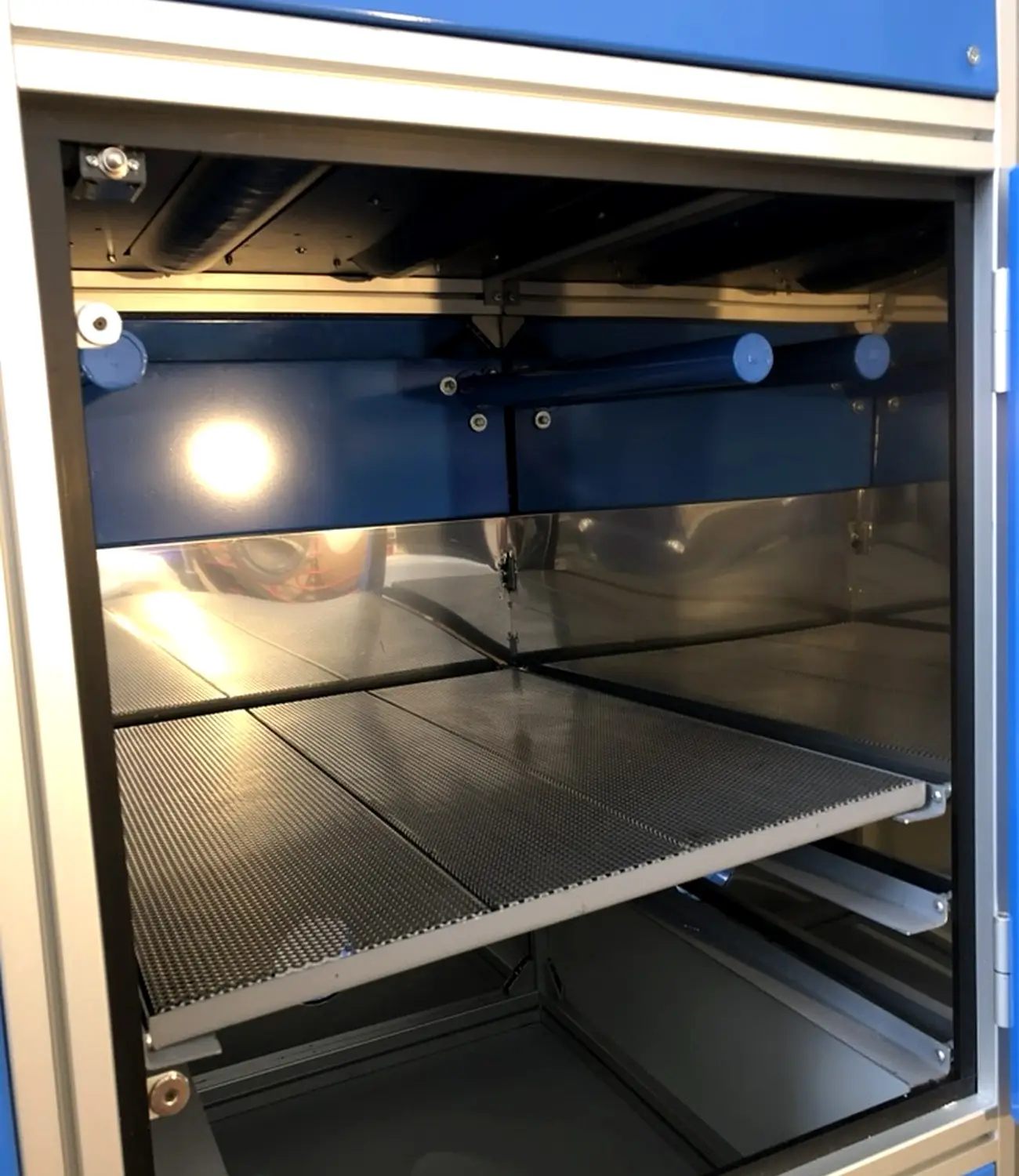
A UV system is more than a lamp.
Reliability and repeatability depend on how source, power supply, thermal management, electrical panel and interconnection are designed together.
Lamp housing, reflectors or LED module sized for the working area.
Ventilation and thermal management coordinated with the source and treated material.
Power electronics selected according to the source and machine cycle.
Interlocks, statuses, alarms and commands integrated with the machine or main production line.
The electrical system is part of the UV system.
Power supply, protections, regulation and control are designed together with the source. This allows the UV unit to communicate with the machine rather than operate as an isolated element.
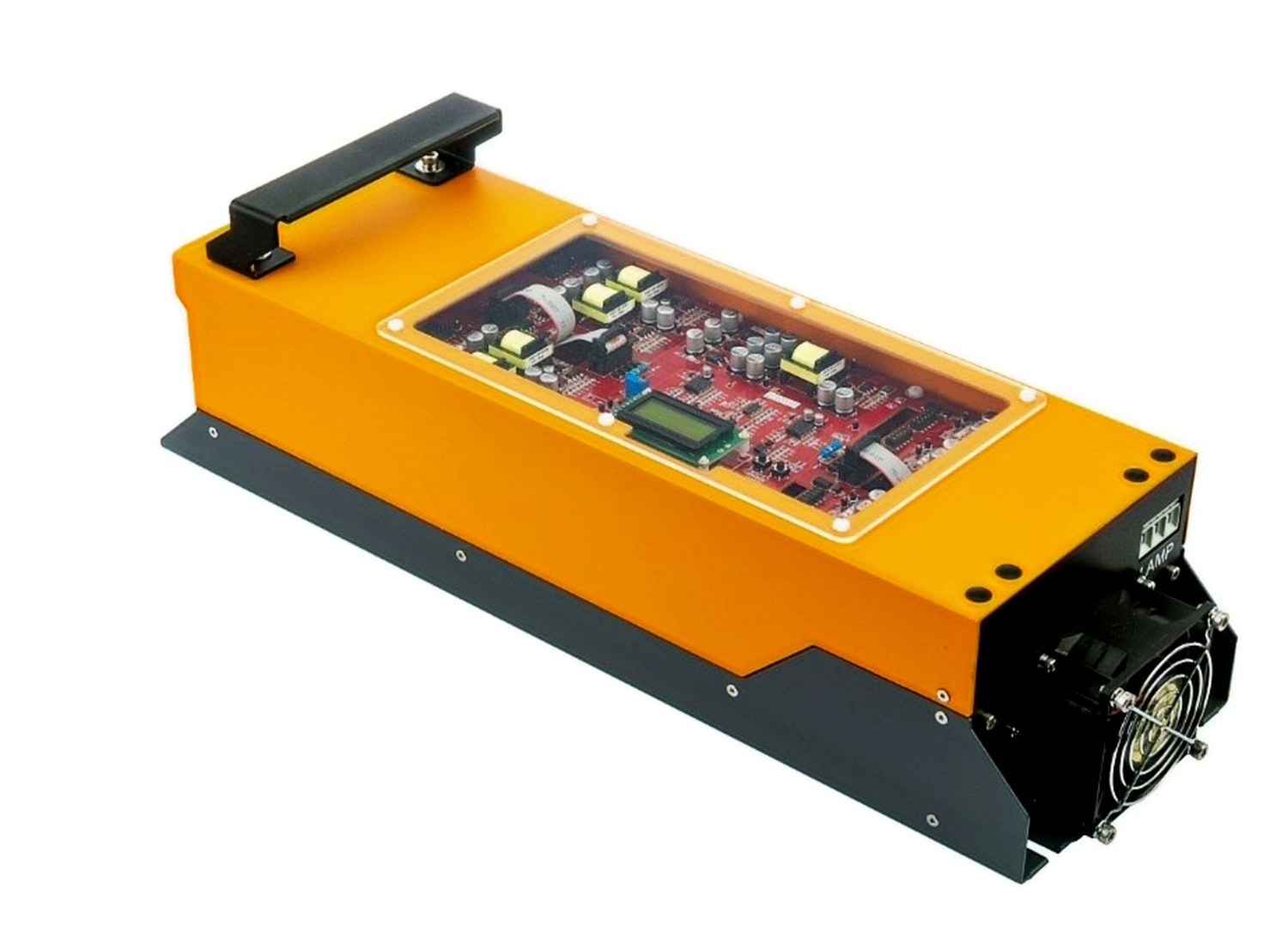
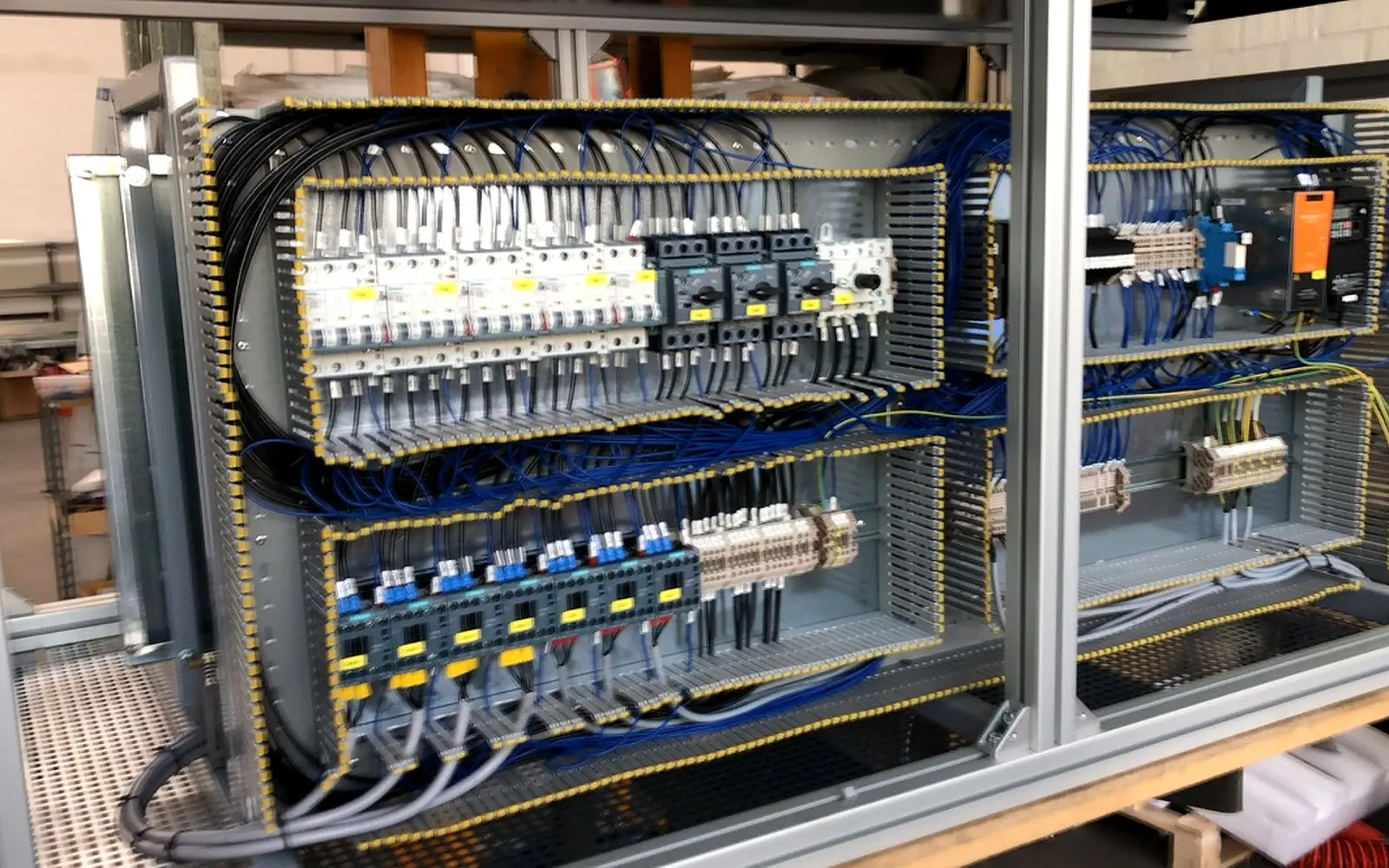
From process data to the final configuration.
Before selecting power or number of sources, we gather the information that actually determines the result.
Process analysis
Material, product, chemistry, geometry, speed, temperature and required result.
Technology selection
Conventional UV, LED or combined configurations are evaluated according to the application.
Subsystem sizing
Source, thermal management, power supply, panel and signals are designed as coordinated parts.
Integration or retrofit
The system is adapted either to the new machine or to the available space and functions of the existing installation.
One technology, very different processes.
The configuration changes according to the material and chemistry used. This is why application pages are developed separately from the technology overview.
Screen printing
UV systems for industrial printing processes and dedicated applications.
Offset and printing
Sources to be integrated into printing and treatment lines.
Plastics, resins and adhesives
Applications to be assessed according to chemistry, substrate and production cycle.
When upgrading makes more sense than replacing.
If the structure and handling system are still suitable, we can evaluate upgrading sources, power supply, electrical panel, control or thermal management while retaining the parts of the system that still perform correctly.
Before selecting the UV system.
Are conventional UV and UV LED always interchangeable?
No. Compatibility depends on chemistry, photoinitiator, wavelength and required dose. Conversion must be verified on the actual application.
Can you integrate the system into an existing machine?
Yes, when available space, handling and machine conditions allow it. We evaluate geometry, power supply, cooling, signals and interfacing before defining the retrofit.
Do you also supply the electrical panel and controls?
Yes. We can integrate electronic power supply, protections, electrical panel, PLC, HMI and interconnection signals with the main machine.
How is UV power sized?
Nominal power alone is not enough. It must be correlated with spectrum, distance, irradiated area, line speed, required dose and thermal management.
What data is needed for an initial assessment?
Material, product or coating, technical data sheet when available, useful width, part geometry, line speed, maximum acceptable temperature and data from the existing machine.
Do you have a UV process to develop or an existing system to upgrade?
Send us the main process data. We can assess source, power supply, thermal management, electrical panel, control and line integration.